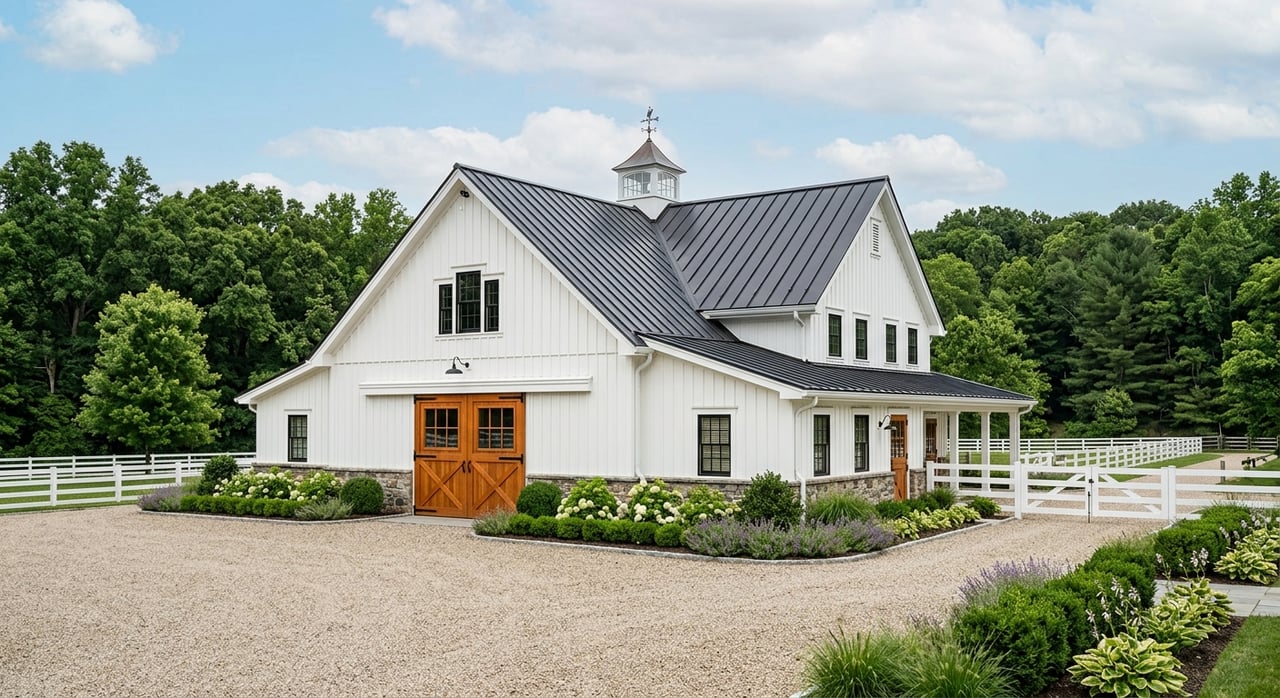
Looking for an equestrian property in Western Loudoun can feel exciting right up until you realize you are not just buying a home. You are buying land, infrastructure, access, and a long-term setup that needs to work for both you and your horses. If you want to make a smart purchase, you need to look past the pretty barn photos and understand what truly drives value here. Let’s dive in.
Understand Western Loudoun pricing
In Western Loudoun, horse properties tend to trade more like land-and-improvement packages than typical residential homes. The biggest value drivers are usually acreage, usable pasture, barn and turnout quality, zoning flexibility, well and septic capacity, and whether the property already has horse infrastructure in place.
Recent examples show a broad price range. Smaller or less turnkey farms often begin in the high-$800,000s to low-$1 million range, more complete horse properties commonly sit in the mid-$1 millions to about $2 million, and legacy estates can go well above that. That spread is one reason local guidance matters so much when you start comparing properties.
Focus on usable land
A larger house does not always mean a better equestrian buy. In this part of Loudoun, buyers often place more value on fenced pasture, paddocks, run-in sheds, barns with tack rooms or wash stalls, automatic waterers, and room to expand.
That means you should think about the property as a working horse setup. A parcel may look impressive on paper but still require more hay, more maintenance, or more off-site support than you expected.
Match the property to your horse program
Before you tour too many listings, get clear on how you plan to use the property. Your needs will look very different if you want private recreational riding versus a more intensive setup with multiple horses, frequent turnout rotation, or possible future boarding.
Virginia Tech guidance suggests that 2 to 3 acres of well-managed pasture can provide adequate grazing and exercise for a mature horse, with 2 acres per horse often used as a planning baseline. Less acreage can still work, but it usually takes more management and a stronger pasture plan.
Ask practical questions early
As you evaluate each property, ask yourself:
- How many horses do you want to keep now?
- Could that number change later?
- Is the pasture divided well for rotation?
- Is there a sacrifice area for wet or dry conditions?
- Will you need room for an arena, additional paddocks, or storage?
- Do you want trail access nearby, or do you need ride-out access from the property itself?
These questions can help you avoid buying a property that fits your current dream but not your daily reality.
Check zoning before you fall in love
Zoning is one of the most important parts of buying an equestrian property in Western Loudoun. A property that works beautifully for private horse use may not work for boarding, training, or event use later.
If the property is outside town limits, Loudoun County zoning rules apply. The county notes that what you can do depends on the zoning district, property size, environmental features, private access easements, and any private covenants or HOA rules.
Know the key rural districts
Two zoning districts matter often in this market: AR-1 and AR-2. AR-1 is intended to retain open space, agriculture, and rural economy uses, while AR-2 is specifically designed to support open space, agriculture, and the equine industry.
These districts also have large-lot density rules that are much more restrictive than suburban zoning. That can affect both your current plans and any future changes you might want to make.
Understand commercial-use thresholds
If you think you may ever want to board, train, or host equestrian events, verify that before closing. Loudoun’s standards make important distinctions:
- Animal husbandry is not permitted on parcels under 5 acres unless a Conservation Farm Plan is approved
- Stable, livery use requires a 15-acre minimum
- An equestrian event facility requires a 25-acre minimum
In other words, private horse use and commercial horse use are not the same thing under county rules.
Purcellville properties follow different rules
If a property is inside Purcellville town limits, the Town of Purcellville zoning ordinance applies. The town requires a zoning permit before Loudoun County will issue a building permit.
Under the town code adopted April 8, 2025, horses and other large animals are treated as special-exception uses, with a 10-acre-or-more threshold for large animals and a 100-foot setback for buildings used to keep animals. If you are shopping near Purcellville, this distinction is critical.
Verify wells, septic, and permits
Many rural properties in Loudoun rely on private wells and onsite wastewater systems. That makes water and septic capacity a major part of your due diligence, especially if you are planning additions or changes to the property.
Loudoun County requires a health permit for a new well and a sewage-disposal permit for a septic system. The county also advises buyers to contact the Health Department before applying for permits when a lot is served by well and septic.
Confirm existing structures were approved
Do not assume every barn, shed, arena, or detached outbuilding was properly permitted. Loudoun’s permitting guidance says sheds and agricultural structures can require permits, and health review may also come into play on well and septic lots.
A structure that exists today may still create issues if it was never approved or if you plan to expand it. It is much better to confirm that up front than discover problems after closing.
Walk the land like a horse owner
A horse property should be evaluated on the ground, not just from a listing sheet. You want to know whether the acreage is truly usable, how water moves across the site, and whether the pastures can support a sound management plan.
Virginia Tech notes that pasture success depends on more than size alone. Soil testing, lime and fertilizer, seeding, rotation, mowing, dragging, and rest periods all matter if you want the land to function well over time.
Look for these site features
When you visit a property, pay close attention to:
- Fenced paddocks and pasture layout
- Run-in sheds and turnout options
- Barn condition and stall configuration
- Tack rooms, wash stalls, and water access
- Automatic waterers or other utility improvements
- Space for future paddocks or arena use
- Signs of erosion, mud, or drainage issues
It is also wise to walk the fields after rain if possible. Poor grazing management can lead to erosion, weed pressure, and water-quality problems, and wet-weather conditions often reveal issues you will not notice on a sunny showing day.
Review easements and environmental constraints
Some of the most important details on a rural property are the ones you cannot see from the driveway. Loudoun County notes that floodplain, mountainside, and limestone overlays, as well as private access easements, stormwater easements, conservation easements, and covenants, can all affect what may be built or how land may be used.
The county’s homebuyer guidance specifically tells buyers to verify access, easements, and covenants before moving forward. This is especially important for equestrian buyers who may need room for additional structures, trailer access, or flexibility in land use.
Conservation and tax considerations
Larger parcels may qualify for land-use tax relief through Loudoun’s Land Use Assessment Program. The county says this may defer some real estate taxes on land used for agriculture, horticulture, forestry, or open space.
For agricultural or horticultural land, the minimum is 5 acres and the land must be committed to commercial production. The county also notes that renewals occur on a six-year cycle and rollback taxes can apply if the land loses qualifying use.
Some properties may also fall within Agricultural and Forestal Districts or be subject to permanent conservation or open-space easements that transfer with the land. These can be valuable features, but they need to be understood clearly before you buy.
Clarify trail access
Trail access can be a real value add in Western Loudoun, but it needs to be confirmed, not assumed. Loudoun’s Trails and Waterways system includes equestrian trails at Evergreen Mills, Franklin Park, and Lovettsville Community Park.
Evergreen Mills is described by the county as a four-mile multi-use trail for horses, hikers, walkers, and mountain bikers, and the trailhead includes parking for horse trailers. Still, access conditions can change. In January 2026, Loudoun announced a temporary closure of the Evergreen Mills Trailhead because nearby construction was affecting access.
Ask what “trail access” really means
When a listing mentions trail access, confirm whether that means:
- Direct ride-out access from the property
- A deeded private trail network
- Close proximity to public trails
- Riding roads nearby, but no formal legal access
That distinction can affect both your daily use and the property’s long-term value.
Build the right buying team
Equestrian purchases in Western Loudoun often involve more moving parts than a typical home search. Zoning, land use, easements, conservation issues, wells, septic, and agricultural improvements can all shape whether a property is the right fit.
That is why the best purchases usually happen when your market strategy and your due diligence move together. You want to evaluate the home, the horse setup, and the legal framework at the same time, not one after another.
Buy with confidence in Western Loudoun
The best equestrian property is not always the one with the prettiest barn or the biggest acreage number. It is the one where zoning, water and septic, pasture usability, access rights, and your long-term goals all line up before closing.
If you are planning a move into Western Loudoun’s equestrian market, working with advisors who understand acreage, land-use nuance, and this local submarket can help you buy with more clarity and fewer surprises. When you’re ready to explore horse properties in Loudoun County, connect with Eryn Appell for thoughtful, high-touch guidance tailored to your goals.
FAQs
What should you look for first when buying an equestrian property in Western Loudoun?
- Start with zoning, usable acreage, pasture layout, barn infrastructure, and well and septic capacity before you focus on finishes inside the house.
How much land do you need for horses in Western Loudoun?
- Virginia Tech guidance says 2 to 3 acres of well-managed pasture can provide adequate grazing and exercise for a mature horse, with 2 acres per horse often used as a planning baseline.
Can you board horses on a Western Loudoun property?
- Not automatically. Loudoun County separates private horse use from commercial uses, and a stable or livery use requires a 15-acre minimum under county standards.
What zoning districts matter for horse properties in Loudoun County?
- AR-1 and AR-2 are key rural districts for many equestrian buyers, with AR-2 specifically designed to support open space, agriculture, and the equine industry.
What should you verify about wells and septic on a Loudoun horse property?
- You should confirm the property’s well and septic setup, understand permit history, and check with the county about any approvals needed for future changes or additions.
Does trail access increase value on equestrian property in Western Loudoun?
- It can, but you should verify whether access is public, private, deeded, or simply nearby before treating it as a true value premium.