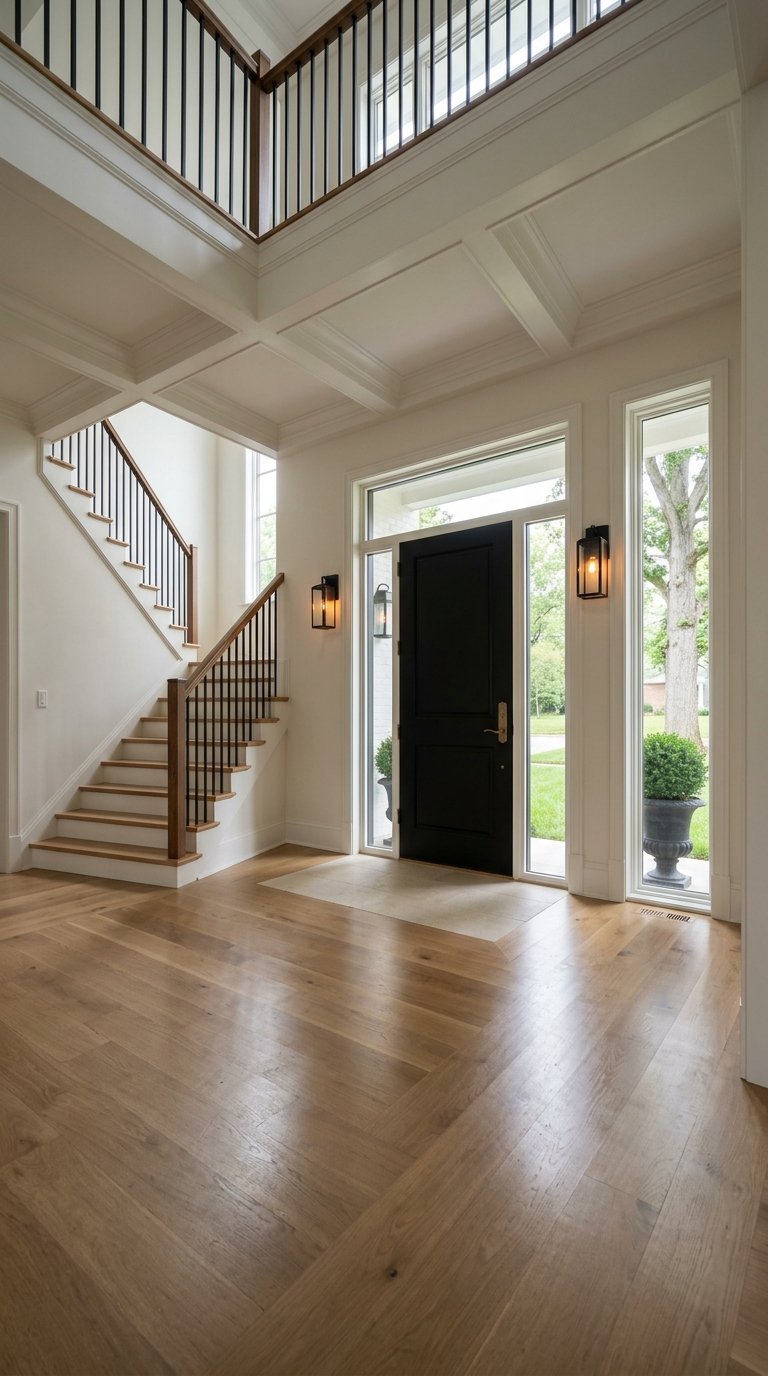
If you have ever looked at a beautiful property near Middleburg and wondered, Is this really a Hunt Country estate or just a large luxury home? you are not alone. In this market, the answer has less to do with square footage and more to do with land, setting, and how the property actually lives. If you are buying, selling, or simply trying to understand what makes this corner of Loudoun County so distinct, this guide will help you spot the difference. Let’s dive in.
Hunt Country Starts With the Land
In Middleburg, a true estate is usually defined by its relationship to the landscape first. The town sits about 40 miles from Washington, D.C., within roughly 22 miles of Dulles International Airport, yet it remains closely tied to rural land, equestrian estates, and a small downtown with shops and restaurants at the center of daily life.
That balance matters. Middleburg has only about 670 residents, and its identity as the Nation’s Horse and Hunt Capital is not a branding slogan alone. It reflects the preserved countryside that surrounds the town and shapes how buyers think about value.
Loudoun County reinforces that setting through land preservation. In 2024, more than 40,000 acres were enrolled in the county’s Agricultural and Forestal District program, and over 85,000 acres were protected by conservation easements. That preservation helps explain why Hunt Country feels so different from a typical Northern Virginia luxury market.
Acreage Matters, But There Is No Magic Number
One of the biggest misconceptions about Hunt Country estates is that they start at a fixed acreage. Public sources do not set one official cutoff for Middleburg, and the market shows a range rather than a rule.
Recent examples suggest a practical ladder:
- Around 3.5 to 7 acres can support a smaller horse property or a private rural estate
- Around 10 to 15 acres often aligns with classic horse estate territory
- Around 30 to 50 acres and beyond tends to reflect larger working farms or legacy holdings
That distinction is helpful because acreage in Middleburg is not just about size. It is about usability, privacy, views, and whether the land supports the lifestyle buyers expect in Hunt Country.
Function Beats Appearance
A true Hunt Country estate is usually built for horses, not just designed to look like it belongs near them. That is one of the clearest dividing lines between an actual equestrian property and a large country home with scenic acreage.
Current Middleburg listings show what that functionality can look like. Features often include center-aisle barns, stalls, tack rooms, feed rooms, wash stalls, paddocks, fenced pastures, riding rings, trails, equipment storage, guest houses, and staff cottages.
For example, one 12.18-acre Middleburg horse farm includes a 4-stall barn, 6 paddocks, and a 100-by-180 riding ring. A larger 33.7-acre property includes two barns, 15 fenced pastures, and additional residential buildings tied to the operation of the farm. These are not decorative amenities. They show that the property was planned around real equestrian use.
Horse Culture Is Part of the Market
In Middleburg, horse infrastructure is not an outlier. It is part of the local landscape. The town’s long-standing reputation for foxhunting and steeplechasing still shapes how many buyers and sellers understand the area.
That cultural backdrop matters because it gives context to what buyers are paying for. A barn, ring, or pasture system means more in a place where equestrian life is woven into the region’s identity than it would in a standard luxury market.
Loudoun County’s public resources reflect that reality too. The area supports horse ownership and land use through programs and educational resources tied to pasture management, livestock care, and equestrian activity. In other words, the horse component in Middleburg is practical, local, and deeply rooted.
Privacy Is a Core Feature
When people picture a Hunt Country estate, privacy is usually part of the image. In Middleburg, that privacy often comes from the land itself, but also from the way estates are positioned within the landscape.
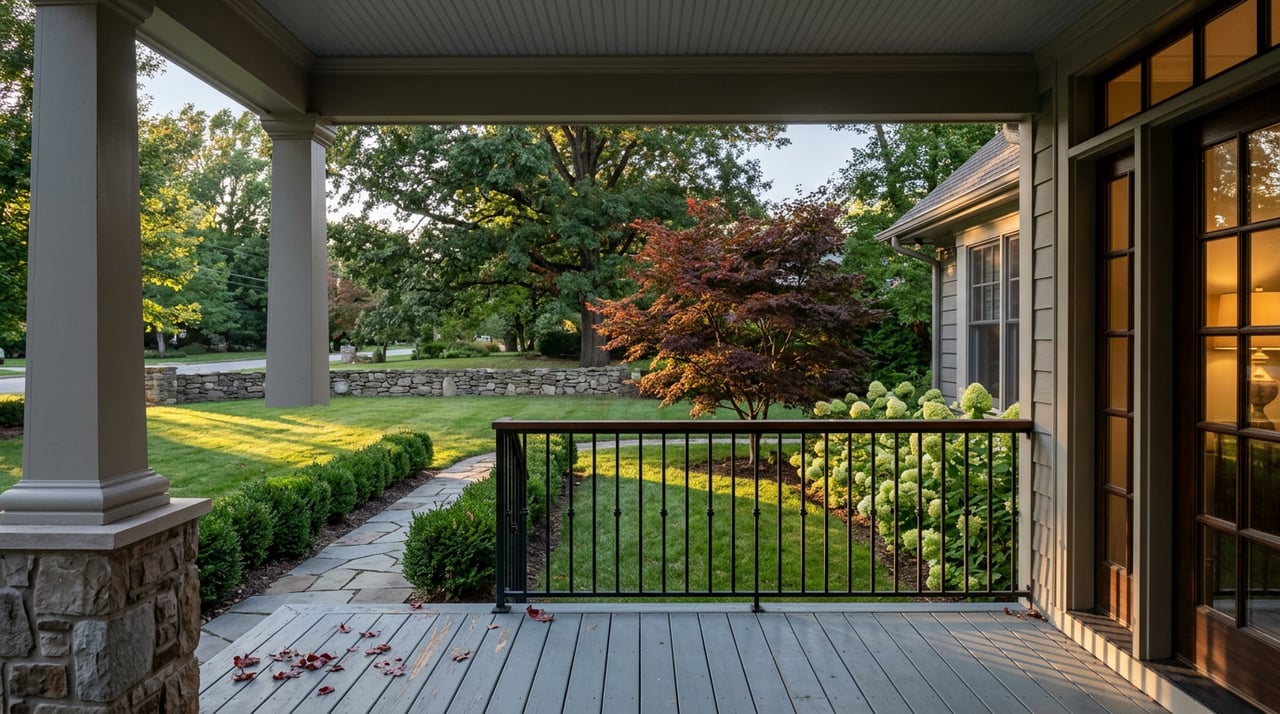
Many properties are marketed around gated entries, long drives, tree cover, ponds, mountain views, or tucked-away settings near town. Those features create a feeling of retreat without placing you too far from daily conveniences.
That balance is important. A property can feel secluded and still be connected to Middleburg’s village scale, where shops and restaurants remain part of the experience. For many buyers, that mix of privacy and proximity is one of the strongest signals that a property truly belongs in Hunt Country.
Views and Setting Carry Real Weight
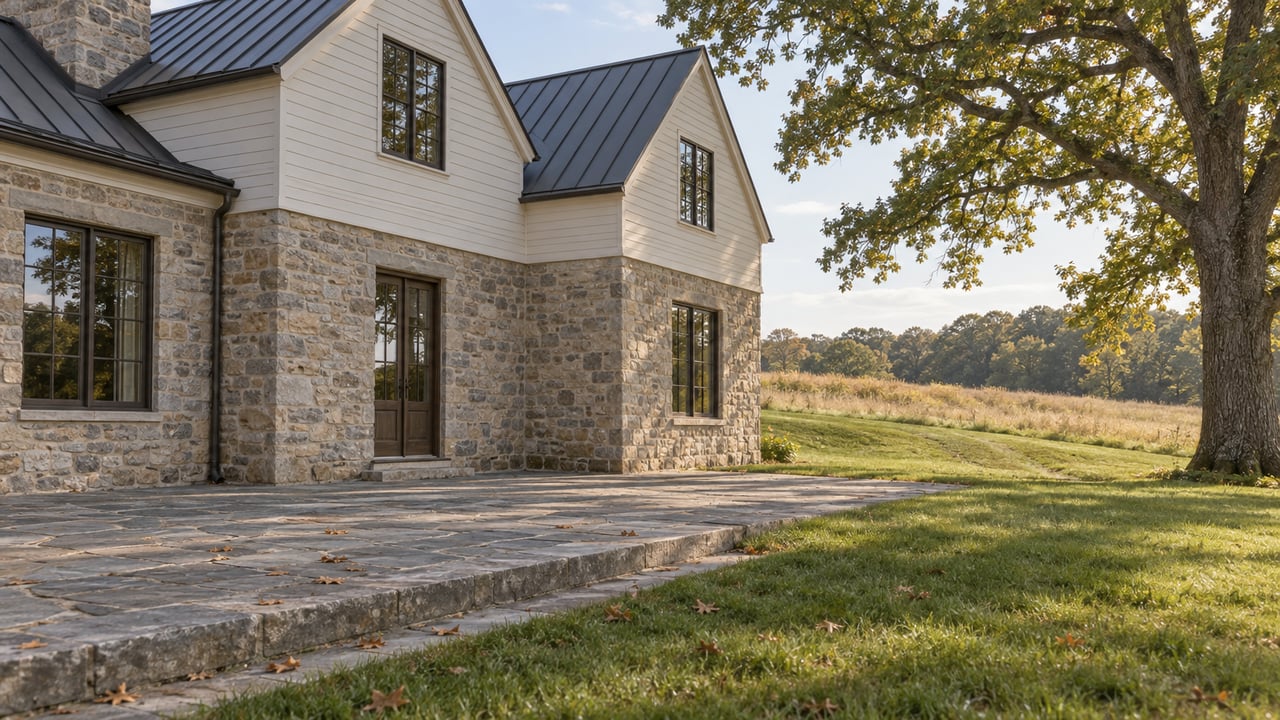
Not every luxury home has a meaningful setting. In Middleburg, the setting often is the value story. Blue Ridge views, rolling pasture, water features, mature trees, and open sky can shape how an estate is perceived just as much as the residence itself.
That is why two homes with similar interior finishes may appeal to very different buyers if one sits on a usable, scenic tract and the other does not. In this market, the view corridor, the approach, and the land’s overall composition often influence value in a very real way.
This is also where local knowledge matters. Understanding how land lays, how privacy is created, and how preservation around a property affects long-term character can make a major difference when you evaluate an estate.
Architecture Still Matters
Land may lead the conversation, but the house still needs to belong. In and around Middleburg, architecture tends to matter most when it respects the setting rather than competes with it.
Within the historic district, design is especially sensitive. Middleburg’s guidelines are intended to preserve the town’s historical, architectural, cultural, and archaeological heritage, and even certain exterior changes may require review. That includes features such as fences, detached garages, gazebos, decks, and other visible updates.
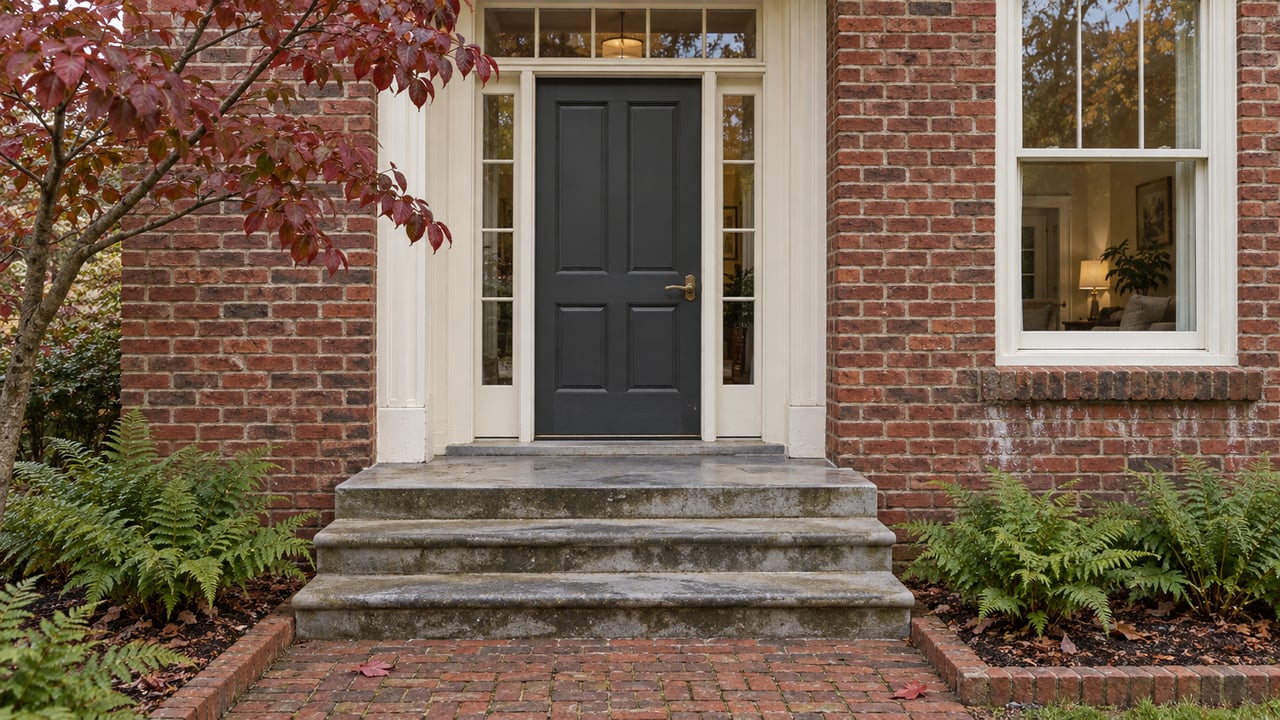
The town’s architectural character includes a mix of Federal-style townhouses, stone vernacular buildings, Colonial Revival structures, and early 20th-century homes. New construction can be traditional or contemporary, but it is expected to fit the surrounding scale, massing, roof forms, and materials.
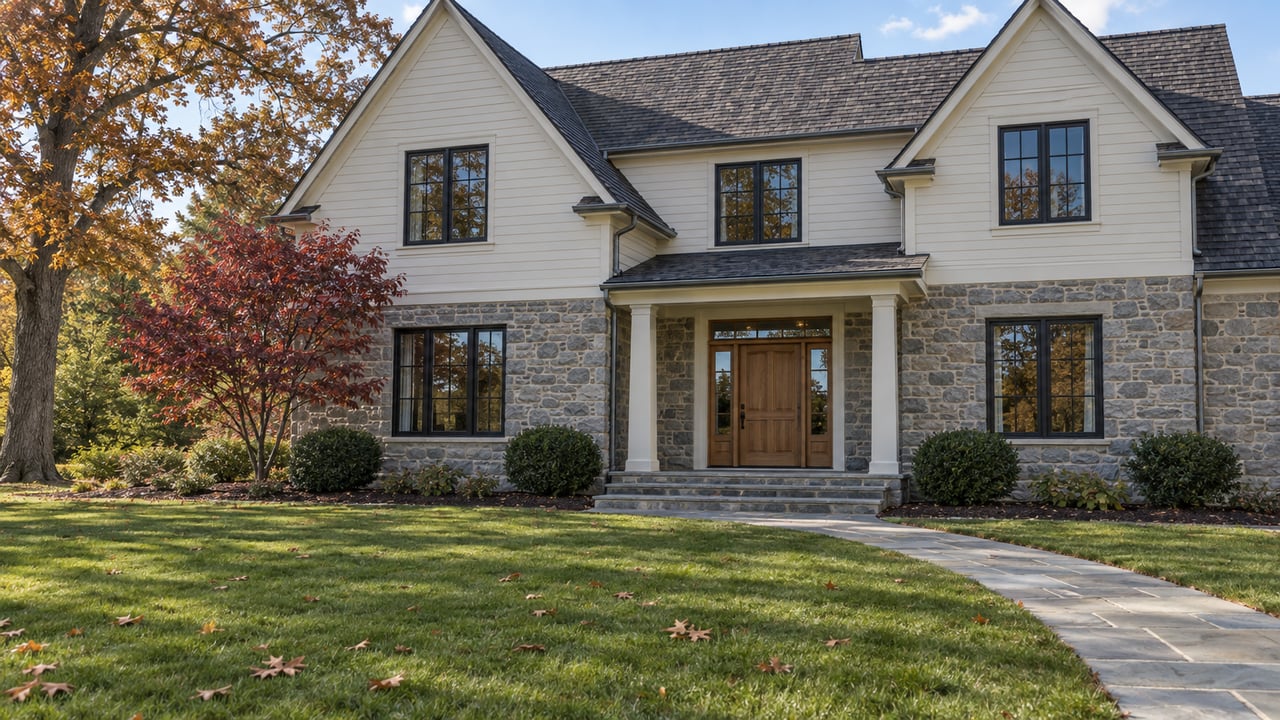
Outside the historic core, newer Hunt Country properties may lean more modern farmhouse or updated traditional. Middleburg’s current market includes both, including custom estates on acreage that feel fresh without losing connection to the area’s rural identity.
A Hunt Country Estate Is Not Just a Big House
This may be the simplest way to think about it: a large home alone does not define a Hunt Country estate. If the property lacks meaningful acreage, rural context, usable land, or a setting tied to Middleburg’s preserved landscape, it may still be luxurious, but it is not quite the same thing.
A true estate in this part of Loudoun County usually brings several elements together:
- Multi-acre land with real presence and usability
- A preserved rural setting shaped by protected farmland or open space
- Horse-ready infrastructure or genuine equestrian potential
- Privacy and views that support the lifestyle buyers seek
- Architecture that fits the setting rather than overpowering it
- Access to Middleburg and its small-town center
When those pieces align, the property starts to feel less like a listing category and more like a legacy asset.
What Buyers Should Look For
If you are considering a property in Middleburg, it helps to look beyond finishes and square footage. A Hunt Country estate should be evaluated as a full land-and-lifestyle package.
As you compare options, pay close attention to:
- How the acreage is laid out and whether it is actually usable
- Whether equestrian features are functional or mainly cosmetic
- The degree of privacy created by topography, trees, and access
- The quality of the views and overall setting
- The property’s relationship to protected land or preserved rural character
- Any design or permitting considerations if the home is in or near the historic district
- How close the property feels to Middleburg’s core amenities
These details often separate a property that looks impressive online from one that truly delivers the Hunt Country experience in person.
What Sellers Should Understand
If you own a property in or around Middleburg, marketing it as a Hunt Country estate should be done with precision. Buyers in this segment are often looking for something very specific, and broad luxury language is rarely enough.
The strongest estate positioning usually highlights the land story first. That can include acreage, protected surroundings, privacy, views, access to town, and the functionality of equestrian improvements where relevant.
This is one reason specialized local representation matters in Middleburg. Estate, land, and conservation-oriented properties often require a more nuanced strategy than a conventional residential listing, from how the property is framed to how the right buyer pool is reached.
Whether you are buying a retreat, selling a legacy holding, or simply trying to understand where your property fits in the Middleburg market, clear local context makes all the difference. If you want guidance tailored to Hunt Country estates, acreage properties, or conservation-sensitive sales, connect with Eryn Appell for a thoughtful, high-touch approach rooted in Loudoun and Middleburg expertise.
FAQs
What defines a Hunt Country estate in Middleburg, Virginia?
- A Hunt Country estate in Middleburg is typically a multi-acre property in a preserved rural setting, often with privacy, views, architecture that fits the local character, and in many cases functional equestrian infrastructure.
How many acres does a Middleburg Hunt Country estate usually have?
- There is no official minimum, but current Middleburg examples suggest smaller estates may begin around 3.5 to 7 acres, classic horse properties often fall around 10 to 15 acres, and larger farms may span 30 to 50 acres or more.
What equestrian features are common on Middleburg horse estates?
- Common features include barns, stalls, tack and feed rooms, wash stalls, paddocks, fenced pastures, riding rings, trails, storage buildings, and sometimes guest or staff housing.
Why is land preservation important to Middleburg estate values?
- Land preservation helps protect the rural setting that defines Hunt Country, and Loudoun County’s agricultural districts and conservation easements help maintain the open-space character buyers expect in this market.
Do Middleburg historic district rules affect estate properties?
- If a property is within the historic district, exterior changes may require review, and certain additions or site features such as fences, sheds, garages, decks, or gazebos may need approvals or permits.
Is a large luxury home enough to qualify as a Hunt Country estate?
- Not usually. In Middleburg, a large home alone does not define the category unless it is paired with meaningful land, a rural setting, and the lifestyle features that make Hunt Country distinct.