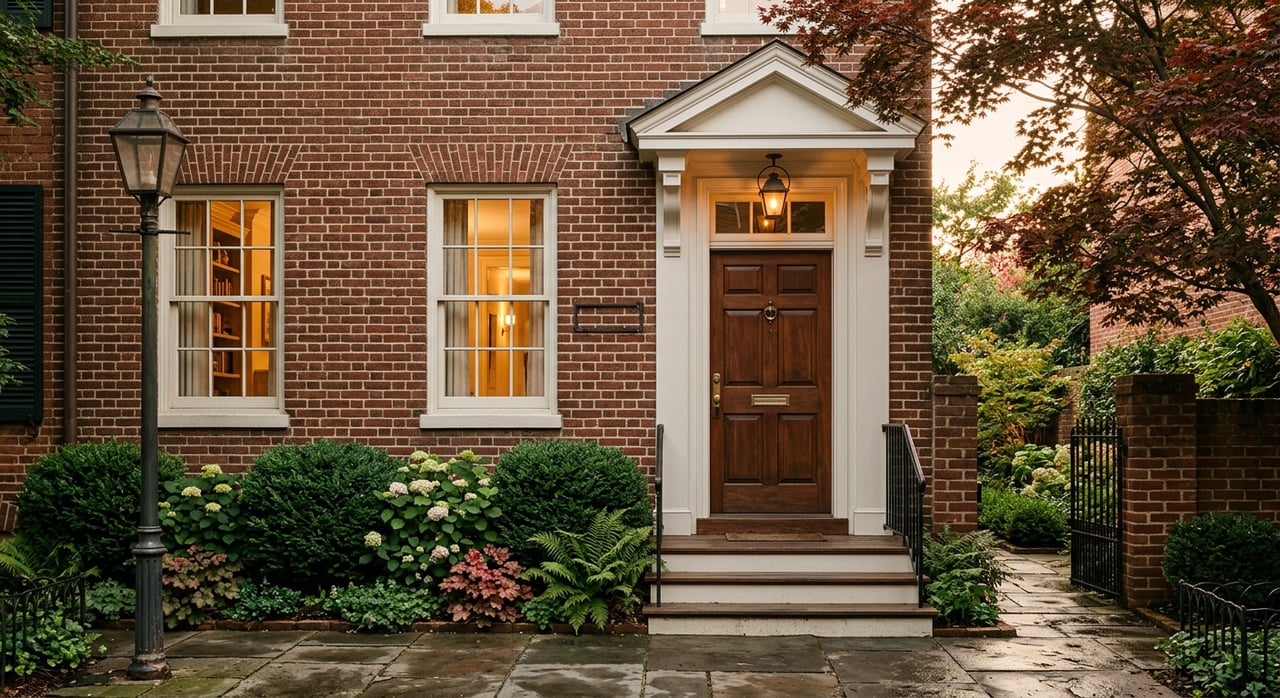
You love the idea of morning coffee on King Street and weekend walks to the farmer’s market. The question is which home fits that lifestyle best: a low maintenance condo or a character-rich historic house near Market Street. It is a real tradeoff, and the right answer depends on how you live, what you value, and how you plan to budget.
In this guide, you will learn how Downtown Leesburg’s housing types differ, what rules apply in the Old & Historic District, how HOA fees and financing work for condos, and how to weigh costs, parking, and resale. By the end, you will have a simple framework to make a confident choice. Let’s dive in.
Downtown Leesburg living at a glance
Downtown Leesburg blends historic single-family homes with boutique condos, townhomes, and a few conversions. Many addresses fall under the Town’s Old & Historic District, an overlay with design guidance and review for exterior changes. If you plan to renovate, start with the Town’s overview of the Old & Historic District and its design rules to understand what is allowed and how the process works.
- Learn more about the Old & Historic District and design review on the Town’s website: Leesburg Old & Historic District.
Loudoun County is a high-cost market. Bright MLS reported a county median sold price of $805,000 in April 2025, which sets a helpful baseline for expectations across the county. For building-level pricing and fees, plan on reviewing the latest MLS data.
- See the county snapshot: Bright MLS Loudoun County Market Report, April 2025.
Walkability is strong inside the core. An example downtown address (219 W Market St) earns a Walk Score in the 70s, which means you can reach many daily needs on foot. Leesburg overall is more car dependent, so proximity to the center matters if walkability is a top priority.
- Check an example: Walk Score for 219 W Market St.
Condo vs. historic home: the quick profile
If you want a “lock and leave” lifestyle and predictable exterior maintenance, a condo or townhouse near downtown may be the best fit. You will trade a monthly HOA fee for less personal responsibility on roofs, common systems, and grounds.
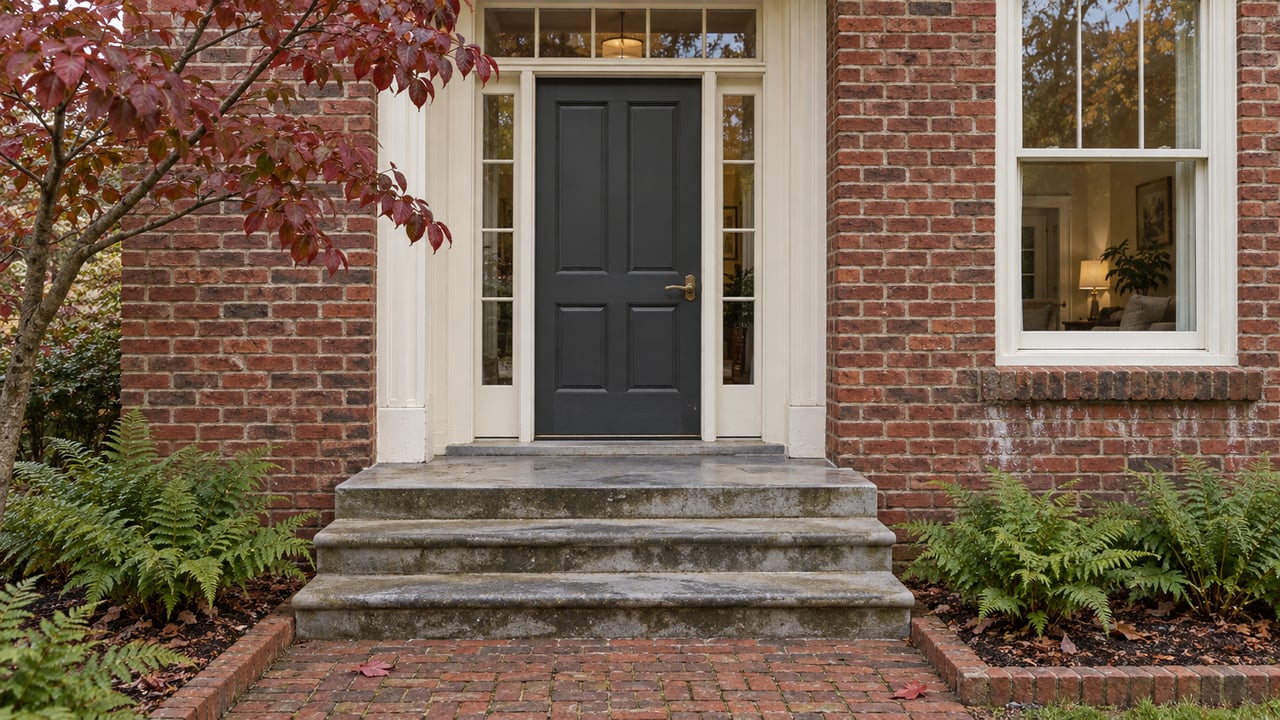
If you want architectural character, a porch and yard, and more control over your property, a historic single-family home could be right for you. You will take on more maintenance and design-review steps for exterior work but gain a one-of-a-kind setting near shops and restaurants.
Use the sections below to weigh the details that matter most.
Historic home essentials in Downtown Leesburg
Design review and exterior changes
Many historic addresses in Downtown Leesburg are within the H-1 Old & Historic District. Most exterior alterations require a Certificate of Appropriateness (COA) and review by Town staff or the Board of Architectural Review. Plan for added time and coordination if you want to change windows, siding, porches, or other visible features. In-kind repairs and some small items may be eligible for administrative review. Start by contacting Town preservation staff before you plan work.
- Get the rules and contacts here: Leesburg Old & Historic District.
Incentives that can offset rehab costs
If you plan a qualifying rehabilitation, Virginia offers a 25% state historic rehabilitation tax credit and the federal program offers a 20% credit for certified, income-producing properties. Rules differ for owner-occupied and commercial projects, and timing matters. Engage the Virginia Department of Historic Resources early and map the application steps before starting work.
- Program overview: Virginia Historic Rehabilitation Tax Credits.
Health and safety in older buildings
Pre-1978 homes can involve lead-based paint and other hazards. Federal lead-safe work rules apply when renovation disturbs painted surfaces, and some materials may require certified contractors for abatement. Build these compliance costs and timelines into your plan.
- Read EPA’s Renovation, Repair and Painting rule: Federal Register summary.
Maintenance and budgeting
Older systems, historic materials, and specialty trades can increase routine costs. A common rule of thumb is to save about 1% of a home’s value per year for maintenance on newer homes and 2–4% for older or historic properties. Get quotes from local contractors for a more precise number based on the house you are considering.
- See a consumer primer on annual maintenance planning: Typical annual home maintenance costs.
Parking and daily logistics
Some historic homes have limited off-street parking. Downtown offers public garages and metered on-street spaces, and certain blocks use residential permit zones. If you value easy parking, factor this into your search and daily routine.
- View current options and payment details: Town of Leesburg Downtown Parking.
Condo and townhome essentials near downtown
What HOA fees cover and what to review
Condo and HOA fees typically fund common-area maintenance, exterior insurance, landscaping, snow removal, and reserves for future projects. Fees vary widely by building and amenities. Before you commit, review the association budget, three-year income and expense statements, reserve study, meeting minutes, and the master insurance policy. Ask about any recent or pending special assessments.
- Helpful overview of how fees work and why reserves matter: Typical monthly HOA fees and what they cover.
Financing and project approvals
Condo financing depends on the building’s eligibility with major mortgage investors. Fannie Mae, Freddie Mac, FHA, and VA have project-level standards. Some smaller projects qualify for limited review, while larger attached buildings often need a formal project review. If a project is not eligible for certain programs, your loan options could narrow, which can also affect resale. Ask your lender early to check the specific building.
- See Fannie Mae’s project standards overview: Condo project requirements.
Maintenance and lifestyle tradeoffs
With a condo, you handle your interior systems while the association manages exteriors and shared infrastructure. That simplifies upkeep but introduces governance and rule compliance. For some buyers, the freedom from yard work and roof replacements is worth the monthly fee. For others, the rules and potential assessments feel limiting. Your tolerance for shared decision-making is key.
A simple cost comparison you can run now
Use this framework to compare a specific condo to a specific historic home:
- Tally housing payment. Estimate principal, interest, taxes, and insurance for each property type.
- Add HOA dues for the condo. For the historic home, add a monthly maintenance reserve based on your contractor estimates. As a starting point, use 1% per year for newer homes and 2–4% for older properties.
- Add parking costs if you rely on paid garages or permits downtown.
- Consider time costs. If you travel frequently or prefer turnkey living, the value of convenience may tip the scale toward a condo.
- Stress test the numbers. For condos, review reserves and past assessments. For historic homes, model one larger repair in the first three years to avoid surprises.
Resale and value considerations
Historic-district status can support value for buyers who prize character and walkability. Research shows National Register listing is often linked to price premiums, while local overlay rules have mixed effects that depend on how restrictive the design controls are and what buyers prefer in that market. In Leesburg, the charm and location are strong magnets, but COA constraints and higher maintenance can narrow the buyer pool. Always use building-level and block-level comps to price.
- Read a recent study on historic designation and pricing: Economic effects of historic listing and local regulation.
For condos and townhomes, marketability often tracks the building’s financial health, reserve funding, occupancy mix, and project-approval status. If FHA or VA buyers cannot finance in a building, the buyer pool can shrink, which may slow resale in some markets. Strong reserves and clear maintenance planning are positive signals for future value.
- For background on how project standards affect lending and demand: Condo project requirements.
Your decision checklist
Use this practical checklist when you tour homes near Market Street and King Street:
For historic homes
- Confirm whether the address sits in the Old & Historic District and request the COA history and permits file.
- Ask for recent invoices for roof, HVAC, plumbing, electrical, and foundation work.
- If you plan renovations, consult with the Virginia Department of Historic Resources about tax credit eligibility before any work.
- Price out typical exterior projects with local contractors and include lead-safe and permit costs in your estimate.
For condos and townhomes
- Read the HOA or condo budget, reserve study, three years of meeting minutes, and the master insurance policy.
- Ask about recent or pending special assessments and any large capital projects on the horizon.
- Have your lender pre-check the building for Fannie Mae, FHA, and VA eligibility if those loans matter for you or future buyers.
- Compare on-site parking, guest parking, elevator count, and storage options to your daily needs.
For both
- Map your daily routine. Walk to coffee, test the route to work, and time parking during busy hours.
- Build two budgets. One with the condo’s HOA dues and one with the historic home’s maintenance reserve.
- Revisit resale. Ask for building-level or block-level comps and days on market for similar homes.
Ready to weigh your options with a local, high-touch team that knows both downtown condos and historic homes inside and out. Reach out to The Local Group at Hunt Country Sotheby’s for a strategy session tailored to your goals.
FAQs
What is the Old & Historic District in Leesburg and why does it matter?
- The H-1 overlay governs many downtown properties and requires a Certificate of Appropriateness for most exterior changes, which affects design choices, timing, and budgeting.
How do HOA fees for a Leesburg condo typically work?
- Fees vary by building and cover common maintenance, exterior insurance, and reserves; review the budget, reserve study, and meeting minutes to gauge financial health and any assessment risk.
Can I use renovation financing to buy a fixer historic home?
- Yes. FHA 203(k) and conventional renovation loans like HomeStyle can bundle purchase and rehab into one loan, though they add planning, draws, and documentation.
Are there incentives to help with historic home renovations?
- Virginia offers a 25% state historic rehab tax credit and the federal program provides 20% for certified income-producing projects; speak with DHR before starting work.
How does condo project approval affect my loan and resale?
- Lenders review condo projects for eligibility with Fannie Mae, FHA, and VA. If a building is ineligible for some programs, your loan options and future buyer pool may be more limited.
What should I budget for maintenance on a historic home in Downtown Leesburg?
- A common starting point is 2–4% of the home’s value annually for older properties, but get local contractor estimates for a more accurate figure based on the home’s condition.