Thinking about selling acreage in Western Loudoun and not sure where to start? Buyers here look beyond a simple acre count. They want clear access, usable ground, well-documented systems, and visuals that show how the land actually lives. In this guide, you’ll learn exactly how to prepare your property, assemble the right records, and present your land so it stands out. Let’s dive in.
Understand what buyers value
Western Loudoun buyer priorities
Acreage buyers focus on practical usability, not just total acres. They look for legal and physical access, usable or buildable areas, healthy pasture, and working outbuildings or barns. Water and septic suitability, driveway condition, fencing, privacy buffers, and views also rank high. Proximity to Leesburg, Purcellville, Middleburg, and major routes matters to many buyers.
Why usability matters
Usable and buildable areas drive decisions. Slope, soils, wetlands, floodplain, and access all affect how a buyer can use the land. If you can show what is drivable, fenced, cleared, or buildable, you reduce uncertainty and speed up offers. A simple map that highlights these areas is a powerful tool.
Assemble key documents
High-priority records
- Deed and a basic chain-of-title summary, including any easements or covenants.
- The most recent boundary survey or recorded plat, noting the date if older.
- Recorded access easements and shared driveway agreements, including maintenance terms.
- Current property tax records and any land-use assessment status.
- Septic records and percolation test results, with any repair history.
- Well logs, pump records, and recent water tests, if applicable.
- Any HOA, POA, conservation easement, or restrictive covenants.
- Permits, plans, and inspection records for barns, outbuildings, and major improvements.
- Floodplain and wetlands information, plus any delineations on file.
- Utility service details, such as electric and fiber availability.
Where to find records
Start with county sources for land records, zoning, tax status, and parcel mapping. The Loudoun County government resources and the county’s GIS parcel viewer are go-to tools. For septic and well documentation, contact the Loudoun County Health Department. To understand soils and topography, use the USDA NRCS Web Soil Survey and USGS topo maps. To confirm flood risk, check the FEMA Flood Map Service Center.
Prepare access and land
Access and approach
First impressions matter. Grade and repair ruts or potholes, and make sure culverts drain properly. Add clear address signage at the road and simple directional signs to key areas. If you have a gate, set an easy showing protocol and a safe pull-off area for visitors.
Boundaries and vegetation
Help buyers understand the property’s edges and flow. Mow or clear a 6–10 foot path along key boundaries and between structures. Repair visible sections of fencing in high-impact areas, such as the front pasture or around barns. Selectively trim brush or small trees that block view corridors, and avoid heavy clear-cutting that can reduce appeal or raise regulatory concerns.
Show usable acreage
Create a simple map that highlights:
- Primary usable or buildable areas, even if approximate
- Pastures, paddocks, and arena locations
- Forested areas, trails, and stream corridors
- Septic and well locations, and all outbuildings
Mow trails and set a clear path to the best features, like a pond, barn, or viewpoint. Buyers often want to walk or drive the land, so make it safe and intuitive.
Outbuildings and safety
Declutter barns and equipment areas, secure broken panels, and tidy stalls. Show paddocks and water access in working order. Remove hazards like exposed wells, open pits, or active machinery, and post simple safety notices for showings. If you have livestock, arrange temporary containment to keep showings smooth and safe.
Time your listing
List when your land looks its best. Leaf-off seasons reveal long views and property lines, which helps buyers understand the terrain. Spring and summer show pasture productivity and bucolic settings. Fall color in Western Loudoun often peaks from mid-October to early November, which can be a strong window for scenic acreage.
Elevate visuals and media
High-quality visuals help buyers grasp scale and context. Plan for drone aerials that show parcel boundaries, a twilight exterior image for ambience, and thorough interior and exterior shots. Short videos that show the drive from the gate to the home and the route to barns or ponds help buyers understand access.
Drone and privacy
Hire an FAA-certified operator who follows current rules and Remote ID requirements. Review the FAA’s UAS guidance before scheduling flight. Ask for approach shots, full-parcel orthogonal views, and oblique images that highlight views and siting. Avoid capturing neighbors’ private spaces.
Twilight shots
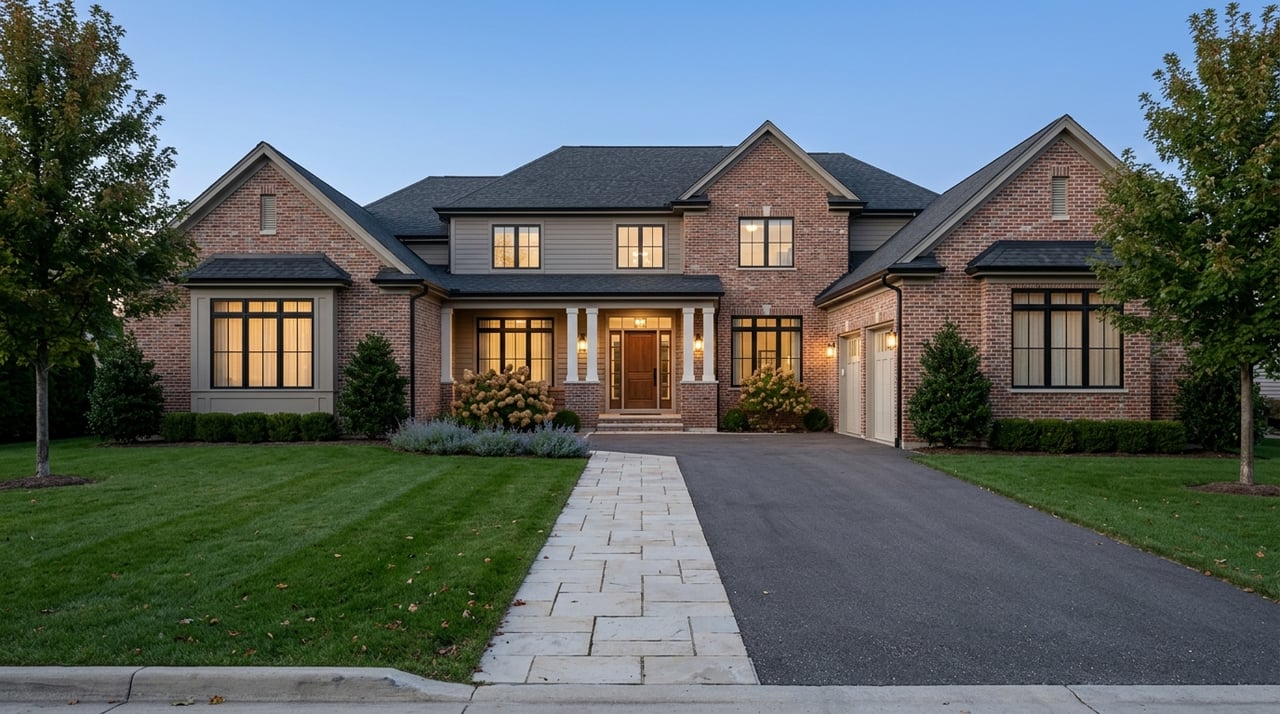
Twilight photos are taken during civil twilight, which shows warm lighting and sets the tone for estate settings. Stage exterior lights, remove clutter, and plan the schedule with your photographer. One or two twilight hero images are often enough.
What to include online
Your listing and property packet should cover the details buyers need to decide:
- Acreage total and a clear view of usable or buildable areas
- Road access type and any gate or showing protocol
- Utilities, plus well and septic status and type
- Zoning and any limiting covenants or easements
- Improvements and ages of major systems in barns and the home
- Nearby points of convenience, with approximate drive times buyers can verify
For pasture or land management questions, share helpful third-party references like the Virginia Cooperative Extension for general guidance.
How we help
Selling acreage in Western Loudoun takes local nuance and polished marketing. With tandem senior-agent service, deep land expertise, and the reach of a Sotheby’s-affiliated platform, you get the strategic prep, documentation guidance, and media needed to capture qualified buyers. We tailor the listing season, visuals, and property packet to your land’s strongest features so you can sell with confidence.
Ready to position your acreage for a top result? Reach out for a private consult with The Local Group at Hunt Country Sotheby’s, and let’s get your property market-ready.
FAQs
What counts as usable acreage in Western Loudoun?
- Usability depends on slope, soils, wetlands, floodplain, and access; map buildable or drivable areas and support with resources like the USDA NRCS Web Soil Survey and the FEMA Flood Map Service Center.
Do I need a new boundary survey before listing?
- A recent survey helps on larger or unclear parcels; commission one if existing records are dated or imprecise, especially at higher price points where clarity speeds negotiations.
How should I present easements and shared drives?
- Provide recorded documents that show access rights and maintenance terms; clear disclosure reduces friction and buyer hesitation during due diligence.
What septic and well records do buyers expect?
- Offer septic test results, system type, repair history, and well logs, pump records, and water tests; check with the Loudoun County Health Department for available records.
How should I handle livestock during showings?
- Temporarily contain or relocate animals and mark safe routes; remove hazards and post simple safety notes to keep the showing smooth and low-risk.
When is the best season to list acreage?
- Choose based on your property’s strengths: leaf-off for views and lines, spring or summer for pasture and paddocks, and fall color for scenic appeal in Western Loudoun.