Trying to decide between Western and Eastern Loudoun? You are not alone. Many buyers start with a feeling about lifestyle or commute, then quickly realize these areas behave like different markets with unique trade-offs. In this guide, you will learn how the two sides of Loudoun compare on housing, pricing dynamics, transit, amenities and more, so you can pinpoint which micro-market fits your priorities. Let’s dive in.
Western vs Eastern Loudoun at a glance
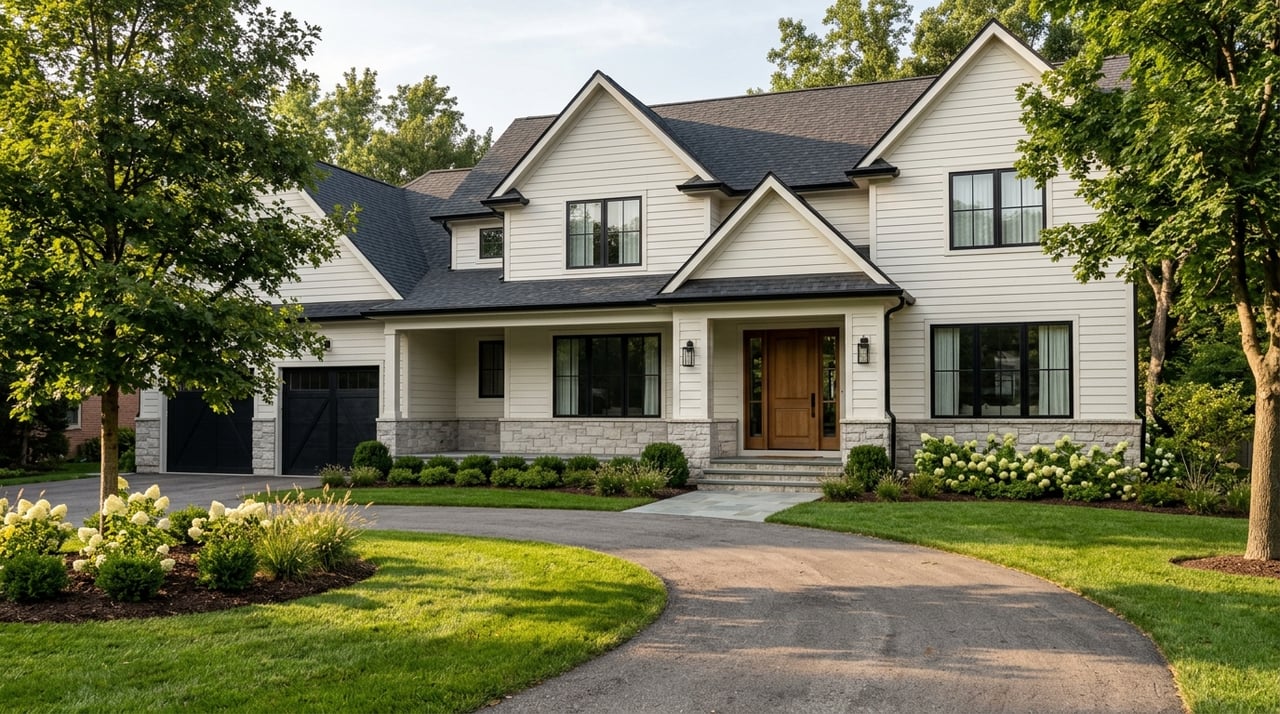
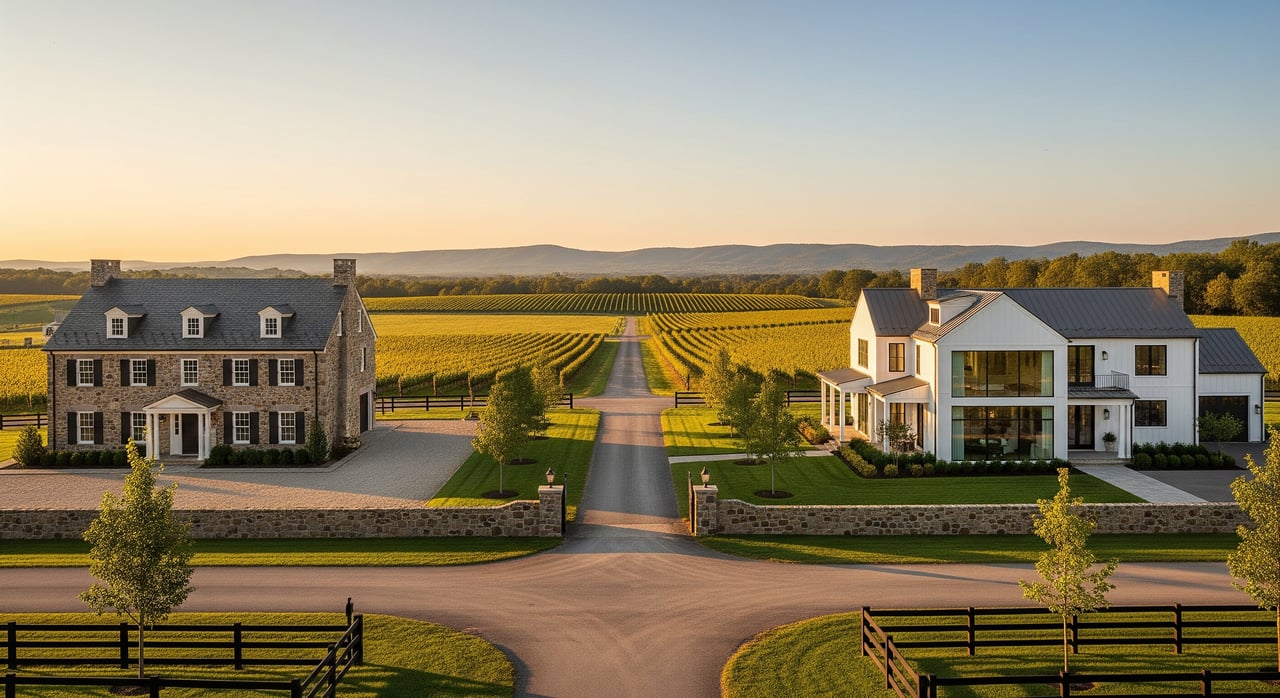
Western Loudoun centers on small historic towns like Purcellville, Round Hill, Hamilton and Lovettsville, plus nearby rural countryside. You will see larger lots, agricultural and equestrian properties, and a slower, small‑town rhythm. Growth is limited by rural and transition policy areas, which helps preserve open space and the area’s character.
Eastern Loudoun spans the county’s suburban corridors along Route 28 and Route 7, including Ashburn, Brambleton and Sterling. Expect newer planned communities, townhomes and condos, amenity-rich neighborhoods, and proximity to major employers, the airport and Silver Line stations. It is part of the county’s growth areas, designed for concentrated development and infrastructure.
Lifestyle and community character
Western Loudoun lifestyle
If you want a quieter pace, Western Loudoun offers historic main streets, farm-to-table spots, wineries and scenic drives. Community events often center on heritage and outdoor recreation. Services cluster in town centers, and big-box retail is less common. You will trade quick access to every errand for space, views and a rural feel.
Eastern Loudoun lifestyle
If you value convenience, Eastern Loudoun delivers master-planned neighborhoods with pools, playgrounds, gyms and community centers. Retail, dining and healthcare are close by, and there is a steady calendar of HOA and community events. The social fabric tends to be suburban and amenity-forward, with sidewalks and trails connecting daily life.
Housing stock and lot sizes
Western Loudoun homes
You will find a wide mix: historic homes, farmhouses, custom builds, converted barns and larger estates. Lot sizes frequently range from half an acre to multi-acre tracts, and equestrian properties are common. New construction exists, but mainly as infill or small subdivisions rather than large master-planned communities. Townhomes and condos are less prevalent.
Eastern Loudoun homes
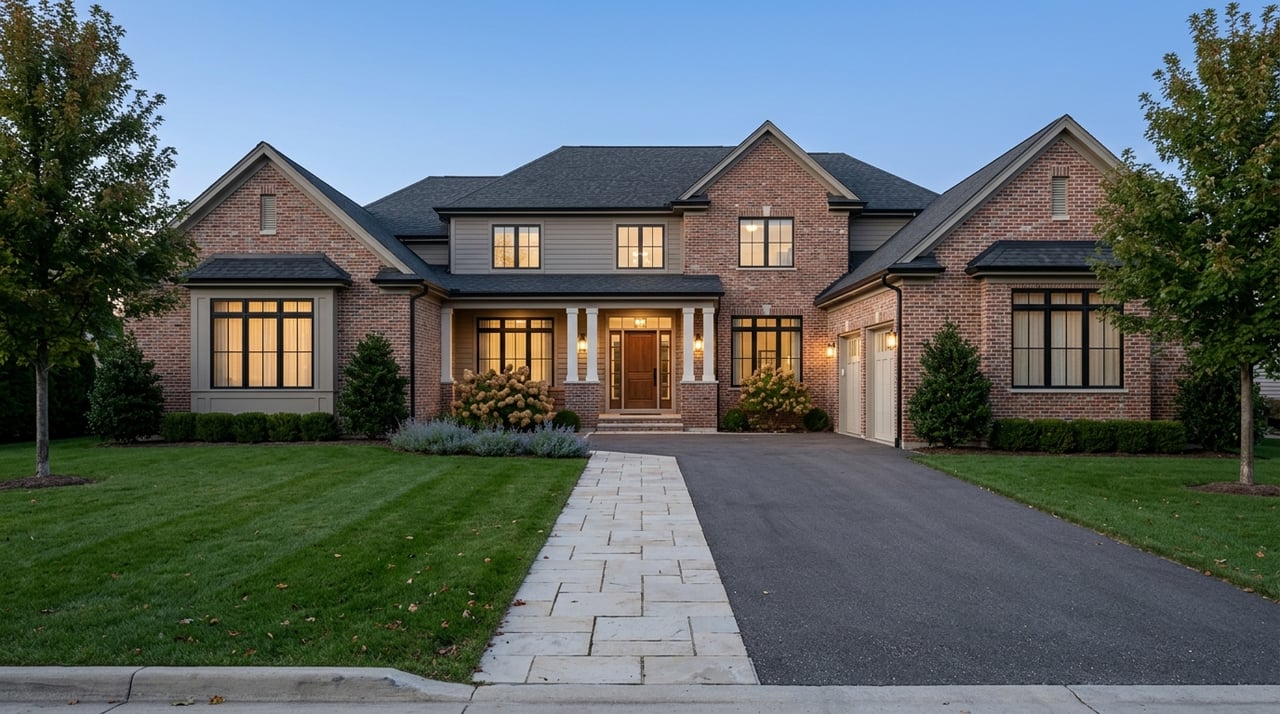
The eastern side concentrates newer single-family homes, townhomes and condos, including multi-family options in mixed-use areas. Lots are smaller and neighborhoods more uniform in age and style. New construction is abundant, from big master-planned developments to infill close to transit. The overall housing stock skews newer and more homogeneous than the West.
Pricing dynamics and inventory patterns
What drives pricing
In the East, pricing often reflects proximity to Dulles Airport, major employers, transit access and newer construction. Buyers pay for convenience and predictable amenities. In the West, prices are shaped by land, home uniqueness, historic value and the lifestyle premium for privacy and acreage. High-end estates can exceed eastern prices, while modest older homes may come in lower.
How inventory behaves
Eastern corridors usually offer more listings and higher turnover, including new-build options that provide warranties and modern finishes. Western inventory can be tighter month to month, with more one-off properties and seasonal rhythms tied to rural lifestyle demand. Days on market can vary based on uniqueness and property scale.
Affordability implications
If commute and amenities are top priorities, expect to pay a premium in the East for comparable square footage. If land, privacy or equestrian needs lead your list, the West offers property types you will not find as often in the East, though prices vary widely based on acreage and improvements.
Commute and transit access
Eastern Loudoun access
Eastern Loudoun benefits from the Silver Line extension into the county, with stations that opened in late 2022. Many residents work along Route 28 and Route 7 or in nearby employment hubs such as Tysons, Reston and Herndon. Driving distances to Dulles Airport are shorter, and some commuters combine driving with rail or express bus.
Western Loudoun access
From Purcellville and neighboring towns, commuters commonly use Route 7 eastbound or connect to I-66. Public transit is limited compared to the East, so single-occupant or carpool driving is typical. Many buyers with remote or hybrid roles choose the West to prioritize space and lifestyle while commuting less often.
Amenities, retail and services
Eastern amenities
You will find extensive retail clusters, big-box stores, restaurants and entertainment, plus large healthcare centers. Airport-adjacent services and logistics employers add convenience for frequent travelers.
Western amenities
Expect independent shops, farmers markets, wineries and outdoor-focused recreation. Specialty services or larger retail runs may take you to Leesburg or eastern nodes. The trade-off is a distinct small-town culture and access to the countryside.
Schools and public services
Loudoun County Public Schools serve both sides of the county. Enrollment, capacity and boundary updates vary by area and can change over time. Growth pressure in the East has historically created more boundary and capacity adjustments, while Western schools often reflect smaller footprints tied to rural density. Fire, EMS and law enforcement coverage patterns differ with density as well. Always verify current assignments, capacity and service locations during your home search.
Hidden costs and maintenance differences
- Western rural properties may involve well and septic, private drive maintenance, fencing, barn or outbuilding upkeep, and greater landscaping needs.
- Eastern suburban homes may include HOA or condo fees, more frequent community amenity costs, and newer-system maintenance that follows builder schedules and warranties.
- Historic or unique properties often require specialized contractors, which can add cost and lead time.
- Townhomes and condos may reduce exterior upkeep in exchange for shared fees and rules.
How to choose: a quick checklist
Use these prompts to clarify your fit before you tour homes.
- Commute tolerance: Daily to Tysons, Reston or Dulles, or a few days a week from farther out?
- Land and privacy: Do you need acreage, barns or room for future outbuildings?
- Home style and age: Do you prefer new-build predictability, or charm and character with quirks?
- Amenities: Do you want pools, gyms and walkable retail, or a small-town center and rural recreation?
- Schools and services: Are you comfortable with potential boundary updates in fast-growing areas, or do you prefer smaller school footprints?
- Maintenance appetite: Are you ready for well and septic or historic-home upkeep, or do you favor HOA-managed exteriors?
Buyer strategy by micro-market
If you are leaning Western Loudoun
- Get clear on acreage needs, fencing, access to trails and any equestrian requirements.
- Budget for inspections beyond the basics, including well, septic and outbuildings.
- Expect fewer direct comps for unique properties. Valuation hinges on land, improvements and condition.
- Tour across seasons if possible. Views, road conditions and land use feel different in winter versus spring.
If you are leaning Eastern Loudoun
- Define must-have amenities, HOA features and proximity to transit or employment hubs.
- Consider new-build versus resale timing. Builder inventory can shape negotiations and incentives.
- Compare total monthly costs, including HOA or condo fees, utilities and commuting.
- Watch micro-locations near transit and major roads. Small shifts can change noise, access and resale dynamics.
Seller strategy by micro-market
Western Loudoun sellers
- Lead with lifestyle: acreage, privacy, trails, barns, views and outdoor living.
- Use photography and video that show land scale, orientation and seasonal appeal.
- Pricing should account for uniqueness. A comp-driven range plus market testing can optimize results.
- Prepare for specialized due diligence: survey details, well and septic reports, conservation or easement documentation if applicable.
Eastern Loudoun sellers
- Emphasize convenience: transit access, schools, shopping, parks and recent upgrades.
- Leverage neighborhood comp velocity for precise pricing and timing.
- Highlight warranties or recent system replacements where applicable.
- Stage for daily living vignettes that show off community and home functionality.
Factors to watch in both micro-markets
- Remote and hybrid work continues to influence buying decisions, often allowing West-based living with periodic East-based commutes.
- Interest-rate changes can quickly shift purchasing power and time on market across product types.
- The Silver Line has localized effects near stations, with premium demand in close-in areas.
- County planning and road updates can alter desirability and traffic patterns over time. Staying current helps you time listing and purchase decisions.
What to do next
If you are early in your search, compare sample homes by budget in both areas. Look at lot size, home age and total monthly costs including fees and utilities. Then map liveability: commute windows on your actual schedule, proximity to your daily needs and the lifestyle you want on your best weekend. When you are ready, a side-by-side plan for both micro-markets will shorten your timeline and improve your outcome.
You deserve local counsel that understands rural land nuance and suburban pricing dynamics. The Local Group pairs deep Loudoun roots with specialized acreage expertise and elevated marketing for premium listings. Ready to refine your plan or price your home with confidence? Reach out to Hunt Country Sotheby's and connect with our tandem-led team.
FAQs
What defines Western vs Eastern Loudoun for home searches?
- Western includes Purcellville, Round Hill, Hamilton and Lovettsville with surrounding rural policy areas. Eastern follows the Route 28 and Route 7 corridors, including Ashburn, Brambleton and Sterling.
How does the Silver Line impact Eastern Loudoun buyers?
- Stations within Loudoun opened in late 2022, and proximity tends to add demand and value for nearby neighborhoods, especially for commuters who mix driving with rail.
What commute should I expect from Purcellville to employment hubs?
- Plan for longer peak-hour drives using Route 7 or area connectors, and expect variability with congestion; many Western residents choose hybrid schedules to reduce daily trips.
For a fixed budget, how do homes differ West vs East?
- In the West, you often trade newer finishes for more land or uniqueness; in the East, you often trade lot size for newer construction, amenities and transit convenience.
How do HOA fees and utilities differ between rural and suburban homes?
- Rural properties may lack HOA fees but include well, septic and larger maintenance costs; suburban homes may have HOA or condo fees that cover amenities and some exterior items.
What should I know about schools in each area before buying?
- Both areas are served by Loudoun County Public Schools, but enrollment and boundaries can change; verify current assignments and capacity during your search.
Are Western Loudoun listings more seasonal?
- Yes, larger-lot and lifestyle properties in the West can list more often in spring and summer, while Eastern suburban markets tend to show steadier year-round activity.