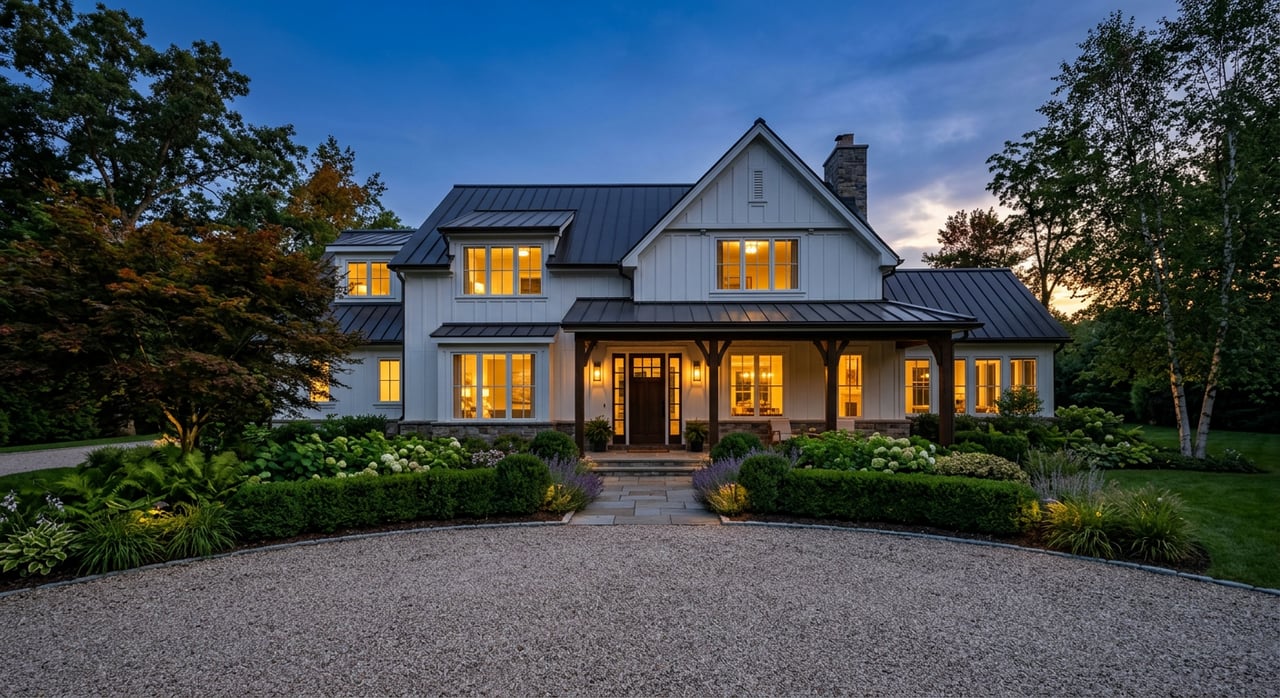
Craving open space and a glass of Virginia wine by sunset, but not sure if Middleburg fits best as your weekend retreat or your full-time home base? You are not alone. Many Washington, D.C. area buyers fall in love with Middleburg’s historic charm, rolling countryside, and equestrian culture, then weigh whether to dip a toe or dive in. In this guide, you will see how weekend and full-time lifestyles compare, what property types to expect, and the practical details that matter before you buy. Let’s dive in.
Middleburg at a glance
Middleburg is a small, historic village in western Loudoun County with roughly 670 residents, known for its stately countryside and equestrian heritage. You will find it set among large agricultural parcels, wineries, and country inns that define Virginia’s Hunt Country character. For a quick primer on the town’s history and setting, start with the Town of Middleburg’s overview on the About Middleburg page.
Access is straightforward. The village sits about 35 minutes from Dulles International Airport and roughly 40 to 60-plus minutes from central Washington, D.C., depending on route and traffic. If you are planning a first visit or test run, check the Visit Middleburg directions for simple drive-time guidance.
What “Hunt Country” means
Equestrian and sporting rhythm
The equestrian calendar shapes local life. The Middleburg Hunt is an active, long-running institution that organizes meets during the hunting season and anchors many community traditions. If you are curious about the cadence and culture, explore the Middleburg Hunt. Spring brings steeplechase energy to Glenwood Park, where the historic meet is a can’t-miss for many residents and visitors. You can learn more about its legacy through the Middleburg Spring Races history.
Wine, food and hospitality
On weekends, you will see tasting rooms buzzing, patios filled with live music, and a steady flow of celebratory gatherings across the countryside. Luxury hospitality is a cornerstone of the experience. Salamander Resort & Spa hosts on-site dining, a spa, and riding programs, which is ideal if you want amenities on arrival without errands. For a sense of offerings, browse Salamander’s Forbes Five-Star press overview.
Weekend retreat life
If you want a fast escape from the city, a weekend in Middleburg can be refreshingly simple. Many weekender buyers choose an in-town cottage or a small home just beyond the village to keep upkeep light and access easy. The vibe centers on winery afternoons, equestrian spectatorship, boutique shopping, and lingering dinners in historic settings.
A typical weekend might look like this:
- Arrive Friday evening, check in at Salamander or your cottage, and walk to dinner on Washington Street.
- Spend Saturday tasting at nearby vineyards, browse local shops, and catch a seasonal event like a race day or holiday parade.
- Enjoy a late checkout or a leisurely brunch on Sunday before a quick drive back to Dulles or the Beltway.
The tradeoffs are straightforward. You get maximum relaxation with minimal maintenance, but you also accept peak-season foot traffic on popular weekends and a smaller footprint if you choose an in-town property. If your goal is low-effort retreat living with easy access to amenities, the weekend model delivers.
Full-time resident life
Commute and transportation
As a full-time resident, you should plan to be car-dependent. Daily commutes into Northern Virginia or D.C. vary widely with time and destination. Many residents report 50 to 75 minutes to central D.C., while Northern Virginia office hubs can be shorter. Your actual time will hinge on your route and schedule.
Services, schools and routines
Public schools are served by Loudoun County Public Schools, with assignments varying by address. There are also private day and boarding options nearby, including Foxcroft School. Day to day, you will learn to time errands and rides around the rural road network. Many properties rely on private wells and septic systems, so water and wastewater maintenance become part of normal homeownership in the countryside.
Community cadence
Living here full time pulls you into weekday friendships and civic life that weekenders may not see. You might join the hunt or a social club, volunteer on local boards, or support museum and library programs connected to sporting traditions. The equestrian season, roughly autumn through spring for many events, provides a built-in social calendar if you want it.
Property types and price context
Village cottages and historic homes
In-town living offers walkability to shops and restaurants, with homes set on small lots and rich historic character. Many structures lie within the Middleburg Historic District, which includes notable 18th and 19th century architecture. For historic context, see the Virginia DHR record for the Middleburg Historic District.
Farmettes and small hobby farms
Five to twenty-five acre parcels are popular if you want room for a few horses, a robust garden, or added privacy without the scale of a commercial equine operation. Expect to budget for fencing, run-in sheds, and a simple stable setup if horses are part of your plan.
Working equestrian estates
Large farms often feature barns, arenas, multiple paddocks, and formal access to hunting territory. Many of these properties sit under conservation easements, which help preserve the rural landscape while limiting future subdivision or development. Local reporting highlights thousands of conserved acres in the region; see an overview of recent conservation activity in this Middleburg-area easement report.
Market snapshot
Prices in and around Middleburg vary significantly by property type and acreage. As a reference point, a recent Redfin snapshot reported a median sale price near 1.1 million dollars for Middleburg in early 2026. Keep in mind that in-town cottages can trade below that level in limited cases, while resort-adjacent offerings and large estates reach multiple millions. For current market context, review the Redfin Middleburg market page and pair it with a fresh MLS pull when you are ready to act.
Ownership logistics to plan
Zoning and equestrian uses
If horses are part of your vision, start with Loudoun County’s guidance on stables and liveries. It outlines where uses are permitted by right, when special exceptions may apply, and how to coordinate with Planning and Zoning, VDOT for access, and Health and Building departments for wells, septic, grading, and permits. Read the county’s Steps for Starting a Stable, Livery guide.
Wells, septic and site work
Many rural properties rely on private wells and septic systems. Any expansion, barn project, or arena work usually involves county checks and approvals. Build time into your plan for permits and inspections, especially if you are updating or upsizing equine facilities.
Broadband and remote work
Internet service varies by parcel. Loudoun County has active rural broadband expansion efforts, but speeds and providers differ street by street. If remote work is essential, verify service at the address level and monitor county updates on rural broadband projects.
Weekend vs. full-time: how to choose
Both paths offer access to the same countryside and culture; the difference is in your time and tolerance for logistics. If you want low-maintenance luxury, easy dining, and a quick dose of fresh air, a weekend base near town fits well. If you want to ride often, join local traditions, and invest in land stewardship, full-time life rewards you with deeper roots and a wider community network.
Ask yourself:
- How often will you use the property each week and in which seasons?
- Do you prefer walkability and lock-and-leave ease, or acreage and privacy?
- How much commute time and property maintenance feels realistic for you?
- Will you keep horses on-site now or in the future?
Buyer checklists
Weekend retreat checklist
- Plan access and timing. Confirm the drive using the Visit Middleburg directions, including your route from Dulles or downtown.
- Choose amenities that simplify weekends. Review on-site dining, spa, and riding programs at Salamander Resort & Spa.
- Target low-upkeep properties. Favor in-town cottages or small homes with simple systems and minimal acreage.
- Map your weekend rhythm. Note seasonal events like steeplechase and holiday festivities so you can plan reservations and parking.
Full-time buyer checklist
- Test your commute. Drive it at typical times to confirm comfort with the route.
- Verify utilities. Confirm well and septic details during inspections and consult county guidance if you plan site work.
- Confirm broadband. Check provider availability and speeds, and monitor county broadband updates for your area.
- Check equestrian feasibility. If you plan a barn or arena, start with the county’s stable and livery guide to understand zoning and permits.
- Understand conservation. If a property is under easement, review documents early and plan around any building or subdivision limits.
Ready to explore Middleburg like a local?
Whether you are dreaming about a serene in-town cottage or a legacy farm with room to ride, you deserve advisors who know the land, the calendar, and the contracts. Our team pairs deep Loudoun roots with proven estate and acreage expertise to help you buy with confidence or position your property for a standout sale. When it is time to compare options, tour neighborhoods, or request a custom valuation, reach out to Hunt Country Sotheby’s for boutique, tandem-led guidance from The Local Group.
FAQs
Is Middleburg a realistic daily commute to Washington, D.C.?
- It can be, depending on your schedule and destination. Many residents report 50 to 75 minutes to central D.C., and shorter times to Northern Virginia hubs. Plan trial drives during your typical commute windows.
What kinds of homes and properties are common in Middleburg?
- You will see walkable village cottages and historic homes, 5 to 25 acre farmettes, and large equestrian estates with barns and arenas. Acreage and amenities drive pricing and upkeep.
Can I keep horses on my property in Loudoun County?
- Often yes, but it depends on zoning, parcel size, access, and well and septic capacity. Review county guidance on stables and coordinate permits early in your planning.
How do conservation easements affect resale value in Hunt Country?
- Easements protect open space and views that many buyers value, but they can limit subdivision and where you can build. They also shape appraisal and financing, so review documents with an experienced agent and your attorney.
Is Middleburg a year-round community or mostly seasonal?
- It is both. There is a strong resident base year-round, with peak weekends during race season and the holidays. Amenities like Salamander Resort, local shops, and restaurants help support consistent activity through winter.