Selling a historic home in Middleburg is not the same as selling just any older property. You are not only pricing bedrooms, acreage, or updates. You are also presenting a home with architectural character, local preservation context, and a story that matters to the right buyer. If you are preparing to list, understanding those extra layers can help you avoid delays, protect value, and market the property with more confidence. Let’s dive in.
Why Middleburg historic homes stand apart
Middleburg is more than a town with older housing stock. It includes a locally regulated historic district, and the Town of Middleburg Historic District Review Committee oversees Certificates of Appropriateness for qualifying work. According to the town, no exterior change visible from a public street may be made until a COA is approved.
That matters when you sell because buyers are often looking at more than finishes or square footage. They may also want to understand how the home fits into the historic district, what work has already been approved, and whether the visible character of the property has been preserved.
The broader setting also adds to the appeal. The Virginia Department of Historic Resources describes the Middleburg Historic District as an area with late-18th- to early-20th-century architecture, tree-lined streets, brick sidewalks, and early stone and brick structures. For many buyers, that setting is part of the reason they are drawn to Middleburg in the first place.
Check rules before listing
Confirm whether your home is in the district
Your first step is to confirm whether your property falls within the historic district and what rules apply. In Middleburg, exterior work that is visible from a public street can trigger COA review.
The town says this may include demolition, additions, roof or siding replacement, window and door changes, as well as new fences, sheds, garages, gazebos, decks, and similar features. Even smaller improvements may require a zoning permit, and some projects may also involve Loudoun County review if a building permit is needed.
Review permits and prior approvals
Before your home hits the market, gather a clear record of any past exterior work. If you replaced windows, repaired a roof, added a fence, or built an outbuilding, buyers may want to see that the work was reviewed and approved where required.
This helps reduce uncertainty during due diligence. It also shows that the home has been maintained thoughtfully, which can support value when you are marketing a property where preservation and stewardship matter.
Check for preservation easements
A separate issue is whether the property has a preservation easement. The Virginia Department of Historic Resources explains that preservation easements are voluntary but permanent restrictions recorded in the land records, and they can limit future development, prohibit certain activities, or require advance approval for some work.
Because easements run with the property, they are important for both you and a future buyer to understand. A title search can help identify them, and having that information ready early can make the sale process smoother.
Understand what historic listing does and does not mean
One common point of confusion is the difference between local regulation and honorary historic listing. The Virginia Department of Historic Resources states that listing in the Virginia Landmarks Register or National Register is honorary and does not by itself restrict an owner's use of the property or prevent renovation or demolition.
In practical terms, the real restrictions in Middleburg usually come from local historic district rules and any recorded easements, not from register listing alone. That is an important distinction to understand before you talk with buyers or plan pre-listing improvements.
Prepare disclosures the right way
Virginia property disclosures
In Virginia, sellers of residential property are governed by the Residential Property Disclosure Act. The Virginia Department of Professional and Occupational Regulation says sellers must complete the Residential Property Disclosures Acknowledgement Form.
That form tells buyers that the owner is making no representations or warranties about certain aspects of the property, including condition, covenants and restrictions, or mineral-right conveyances. Buyers are expected to conduct their own inspections and due diligence.
Lead-based paint rules
If your home was built before 1978, federal lead-based paint rules likely apply. The EPA lead-based paint disclosure rule requires sellers, landlords, real estate agents, and property managers of most pre-1978 housing to disclose known lead-based paint hazards, provide available records and reports, give buyers the EPA pamphlet, and allow a 10-day period for a paint inspection or risk assessment.
For historic homes, this is especially important because age alone increases the chance that lead-related disclosures will be part of the transaction. Getting your paperwork organized in advance can help avoid last-minute scrambling.
Build a strong documentation package
Historic-home buyers often appreciate a well-organized paper trail. The most useful listing file usually includes prior COAs, zoning or building permits, renovation invoices, contractor warranties, inspection reports, surveys, historic photographs, and any easement documents.
This kind of documentation serves two purposes. First, it answers practical buyer questions about what has been updated and what may still require review. Second, it helps tell the story of the home in a credible, fact-based way.
If your property has had careful repairs over time, that history can be an asset. A strong documentation package helps buyers see not just that work was done, but that it was handled with attention to the home’s long-term integrity.
Choose pre-listing updates carefully
Repair often matters more than replacement
Middleburg’s historic design guidance favors preserving character-defining features where possible. The town’s Historic District Design Guidelines support retaining visible historic roof materials such as slate or standing-seam metal, preserving roof shapes and pitches, and repairing in kind when possible.
The same guidelines emphasize retaining and repairing historic windows and matching original frame and sash details when replacement is unavoidable. They also discourage vinyl replacement windows and support restrained paint schemes, while noting that unpainted masonry should remain unpainted.
For you as a seller, the message is simple. Last-minute upgrades that strip away visible historic character can hurt more than help. Before making exterior changes, it is wise to confirm whether approval is needed and whether repair is a better option than replacement.
Focus on visible character
In many historic Middleburg homes, features like original windows, masonry, porches, trim, rooflines, and period details are part of the appeal. These are not just maintenance items. They are often central to how buyers perceive authenticity and value.
That does not mean you should avoid all improvements. It means your pre-listing work should be thoughtful, documented, and aligned with the property’s architectural identity.
Stage for character and clarity
Staging can still make a real difference when you sell a historic property. According to the National Association of Realtors 2025 Profile of Home Staging, 29 percent of agents said staging produced a 1 percent to 10 percent increase in offered price, 49 percent said it reduced time on market, and 83 percent of buyers’ agents said staging made it easier for buyers to envision the home as their future home.
The same report found that the living room, primary bedroom, and kitchen were the most important rooms to stage. Buyers’ agents also rated listing photos, traditional staging, video, and virtual tours as important tools.
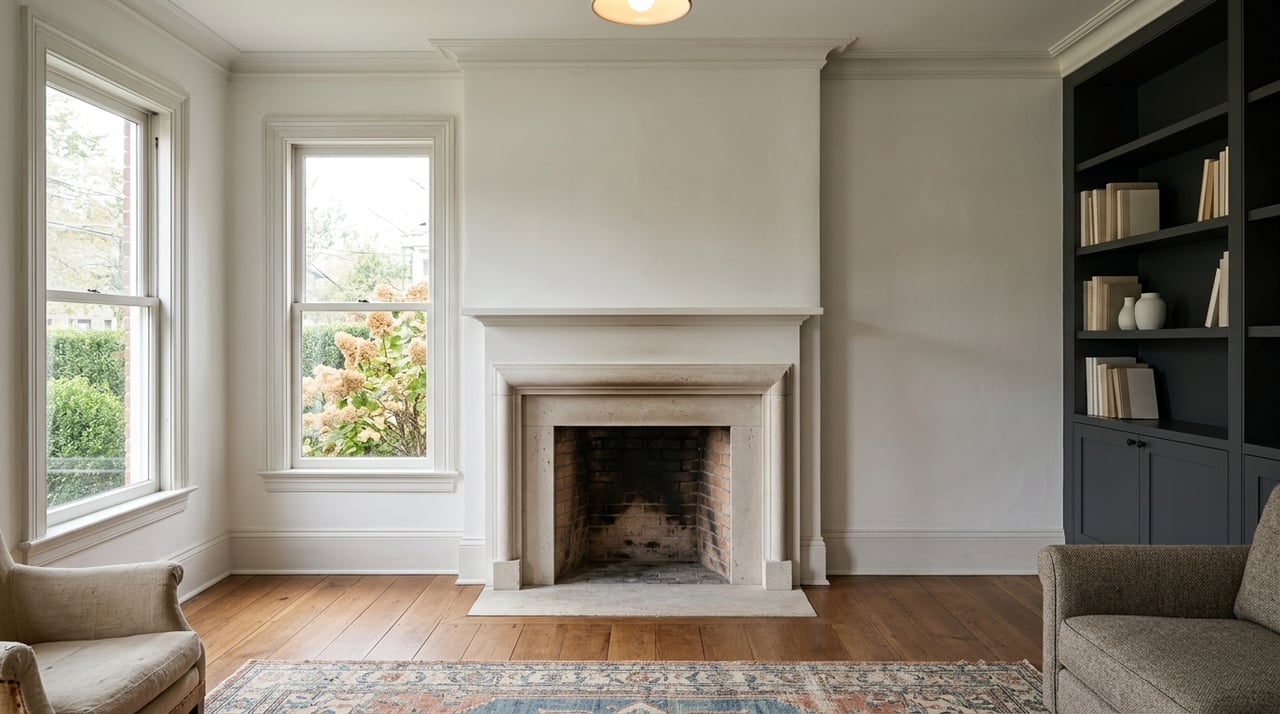
For a historic home, staging usually works best when it highlights original features instead of covering them up. Keep fireplaces, millwork, staircases, floors, and views easy to see. Clean, restrained furnishings often do more for a historic property than oversized furniture or trend-heavy decor.
Position the home for the right buyer
Middleburg historic homes often appeal to a more specific buyer pool than a typical resale property. Buyers may be drawn to the home’s setting, architectural details, connection to village life, or place within Hunt Country. That narrower pool is not necessarily a drawback. It often means the buyers who are interested are highly motivated by exactly what makes the property unique.
That is why a strong listing package matters. Helpful materials can include:
- A factual property history sheet
- A summary of approved work
- A list of system updates and improvements
- Clear photography of the house and grounds
- Exterior images that show site relationships and outbuildings when relevant
If the home is listed in the Virginia Landmarks Register or National Register, or contributes to a listed district, there may also be tax-credit considerations worth understanding. The Virginia Department of Historic Resources notes that rehabilitation tax credits may be available for qualifying properties, with state credits available for owner-occupied and income-producing buildings, while federal credits are limited to income-producing properties.
For some buyers, that can add meaningful context to the opportunity. It should be presented carefully and factually, with an understanding that eligibility depends on the property and the nature of the work.
Why strategy matters in Middleburg
Selling a historic home in Middleburg usually takes more than standard listing prep. You need pricing, presentation, documentation, and compliance to work together. When those pieces are aligned, your home is easier for buyers to understand and easier for them to value.
That is especially true in a market where legacy, setting, and stewardship often matter as much as modern updates. The goal is not to make a historic home feel like everything else on the market. It is to present it in a way that respects what makes it special while making the transaction feel clear and manageable for the next owner.
If you are thinking about selling a historic home in Middleburg, working with a team that understands nuanced properties, local context, and high-touch marketing can make a meaningful difference. Hunt Country Sotheby's brings boutique guidance, local insight, and thoughtful presentation to distinctive homes across Loudoun and Hunt Country.
FAQs
What should sellers know about historic district rules in Middleburg?
- If your home is in the district, exterior changes visible from a public street may require a Certificate of Appropriateness before the work begins.
What disclosures apply when selling an older home in Virginia?
- Virginia sellers must complete the Residential Property Disclosures Acknowledgement Form, and pre-1978 homes are also generally subject to federal lead-based paint disclosure rules.
What documents help when selling a historic home in Middleburg?
- Useful records include prior COAs, permits, invoices, warranties, inspection reports, surveys, historic photos, and any preservation easement documents.
What updates should owners avoid before listing a historic Middleburg home?
- Avoid visible exterior changes that remove historic character or require review without approval, such as unapproved window replacements, roofing changes, or altered masonry finishes.
What type of buyer is often interested in a historic Middleburg property?
- Historic Middleburg homes often attract buyers who value architectural character, village setting, and the long-term stewardship of a distinctive property.