If you own land in Western Loudoun, a conservation easement can shape your property’s future for generations. It can protect open land, support long-term stewardship, and create tax planning opportunities, but it can also affect value, resale, financing, and what you or a future owner can do with the property. If you are weighing whether an easement makes sense, this guide will help you understand the basics, the tradeoffs, and the local factors that matter most in Loudoun County. Let’s dive in.
Why conservation easements matter in Western Loudoun
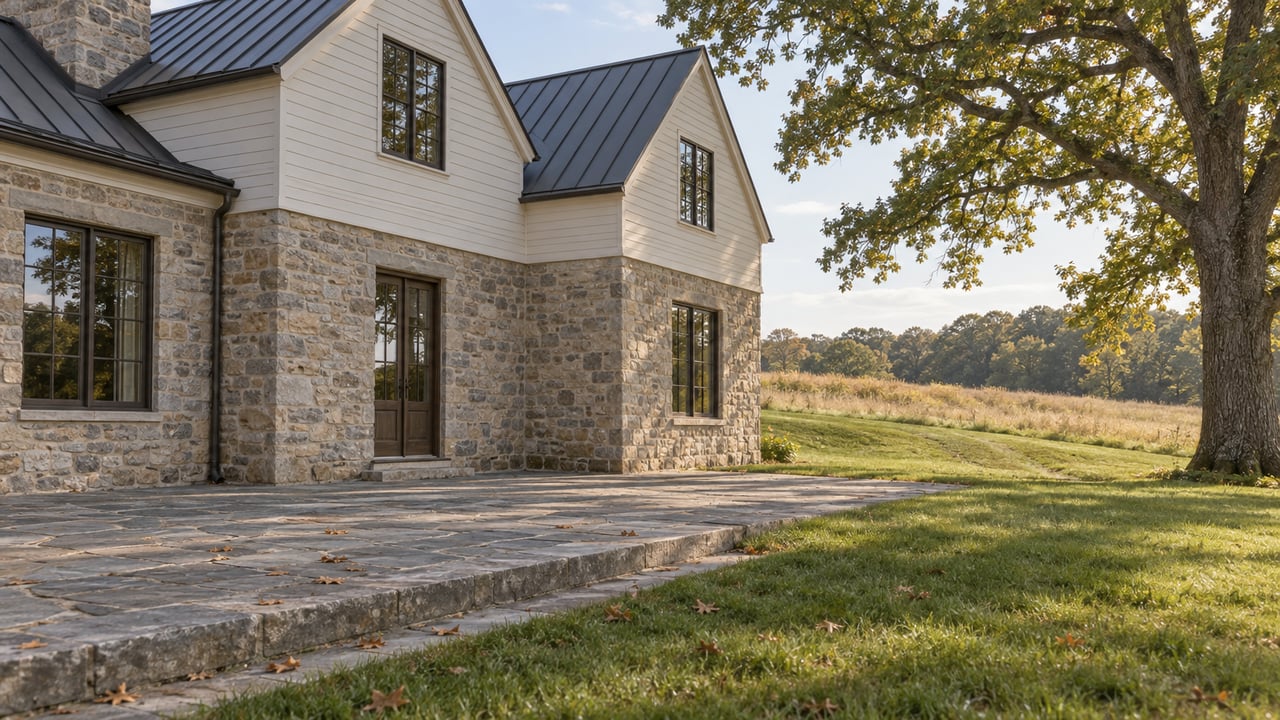
Western Loudoun is defined in part by its rural landscape, working land, and scenic roadways. According to Loudoun County’s conservation easement resources, more than 85,000 acres in the county are already protected by conservation easements.
That local context matters if you own acreage, a farm, an equestrian property, or another large parcel in the western part of the county. Loudoun County also notes that the western rural road corridor supports farms, farm markets, equestrian facilities, wineries, and breweries, which makes land-use decisions especially important for long-term planning.
It is also worth knowing that the county is actively reviewing Western Loudoun rural uses and standards. Conservation easements are part of that discussion, with final changes anticipated in early 2027. If you are making a major decision about your land, timing and local policy review may be part of the conversation.
What a conservation easement does
A conservation easement is a voluntary legal agreement that allows you to keep ownership of your land while granting a qualified holder the right to enforce certain long-term restrictions. Under the Virginia Conservation Easement Act, it is a nonpossessory interest and is generally perpetual unless the deed says otherwise.
In plain terms, you still own the property and manage it day to day. What changes is that the easement places lasting limits on certain rights and uses, based on the conservation goals tied to that property.
Those goals can include protecting agricultural, forestal, recreational, open-space, water-quality, or historic values. The exact restrictions are not one-size-fits-all. They are tailored to the land and the purpose of the easement.
What rights may be limited
The key question is not simply whether your land is under easement. The real question is which rights are being kept and which are being given up.
Based on Virginia Outdoors Foundation guidance, common approval triggers can include:
- Subdivision
- Construction of new buildings
- Renovations or enlargements
- New encumbrances
- Changes in use
- Timber-harvest plans
The scope of those limits depends on the deed. Some easements focus heavily on viewsheds or open land. Others may address habitat, water quality, historic resources, or public access. Virginia Outdoors Foundation also notes that easements may be amended to strengthen protections, but not to reduce them.
Why baseline documentation matters
If tax benefits are part of your planning, documentation matters from the start. The IRS explains in Publication 526 that a qualified conservation contribution must involve a qualified real property interest given to a qualified organization exclusively for conservation purposes.
The IRS also expects the organization to have the resources to monitor and enforce the easement. In addition, baseline documentation such as maps and photographs is used to show the property’s condition at the time of donation.
This is one reason conservation transactions require careful coordination. The legal terms, property history, and supporting records all need to align.
Potential tax benefits to understand
For many landowners, tax planning is one of the biggest reasons to explore a conservation easement. That said, the benefits depend on the structure of the donation and whether all legal and tax requirements are met.
Federal income tax deduction
The IRS states in Publication 526 that a qualified conservation contribution is generally deductible as a charitable contribution. In most cases, the deduction is limited to 50% of adjusted gross income.
A qualified farmer or rancher may be able to use a 100% AGI limit if the donated property remains available for agriculture or livestock production and other rules are satisfied. For owners of working farms, this can be a major planning point.
Virginia land preservation tax credit
Virginia offers a separate Land Preservation Tax Credit. According to Virginia Tax, the credit equals 40% of the fair market value of the donated land or easement, and the recipient must be a 501(c)(3) nonprofit.
Virginia Tax also notes several details that owners should track closely:
- The statewide annual cap is $75 million
- Complete applications are due by December 31 of the second year after the donation is recorded
- Unused credits generally carry forward up to 10 years for the original donor
- Credits generally carry forward up to 11 years for a transferee
- The credits are transferable
- Requests over $1 million must be verified by the Department of Conservation and Recreation
Estate planning considerations
A conservation easement may also affect estate planning. The IRS instructions for Form 706 say an estate may elect under section 2031(c) to exclude part of the value of land subject to a qualified conservation easement, up to $500,000, if the ownership and qualification requirements are met.
For some families, that can help reduce the taxable value of land at death. This is one reason easements often come up in legacy and succession planning, especially for multigenerational landholdings.
How an easement can affect property value
A conservation easement usually changes how a property is valued because it permanently limits some development rights. Under Virginia law, land subject to a perpetual conservation easement must be assessed based on the reduction in fair market value caused by the uses the easement terminates.
That means the appraisal should reflect only the uses still allowed under the deed. In practical terms, a property’s value may shift away from speculative development potential and more toward its remaining permitted uses.
For some buyers, that is a positive. They may be looking for working land, privacy, scenic character, or a long-term legacy property. For others, permanent restrictions can narrow the appeal. The result is often a smaller, more specific buyer pool.
Conservation easement versus land use assessment
It is important not to confuse a conservation easement with Loudoun County’s Land Use Assessment Program. They are different tools with different purposes.
The research report explains that Loudoun’s land use program defers some real estate taxes on land used for agriculture, horticulture, forestry, or open space as long as the property remains eligible. A conservation easement, by contrast, is a legal restriction recorded against the property that can permanently limit certain rights.
If you own Western Loudoun acreage, both may be relevant, but they are not interchangeable. You will want to understand how an easement interacts with land-use assessment and whether rollback taxes or other planning concerns apply in your situation.
Local help with upfront costs
One of the most practical local resources is Loudoun County’s Conservation Easement Assistance Program. The county says the program can reimburse up to $25,000 in qualifying upfront costs.
Eligible costs can include:
- Attorney’s fees
- Appraisal fees
- Survey fees
- Processing and document fees
- Stewardship costs
The county also says the land trust files the application on the owner’s behalf, funding is first-come, first-served, and $150,000 is available annually. In general, eligible property must be capable of subdivision and not already be under easement.
Due diligence questions to ask early
If you are considering an easement, early due diligence can save time and help you avoid surprises later. The research report highlights several questions that are especially useful in Western Loudoun.
Rights and restrictions
Start by asking what rights are being reserved and what rights are being surrendered. You should also ask which activities will require written approval from the easement holder over time.
Zoning and tax interaction
Ask how the easement will interact with current zoning, land-use assessment, and any possible rollback taxes. Because local rural-use standards are under review, this part of the conversation is especially important right now in Western Loudoun.
Appraisal method
Ask how the before-and-after appraisal was prepared and what highest-and-best-use assumptions were used. Since valuation often turns on the rights being extinguished, the appraisal framework matters.
Long-term oversight
Ask who will hold and monitor the easement over time. You should also understand any stewardship, monitoring, or amendment fees that may apply.
Resale and financing
Finally, ask how the easement may affect resale, financing, and family succession. These questions are not secondary. They are central to whether the easement supports your long-term goals.
What this means if you plan to sell
If you are selling a property with an existing easement, clear communication is critical. Buyers need to understand the deed restrictions, any approval requirements, and how the easement may affect future use.
Marketing also needs to speak to the right audience. Easement-protected properties often appeal to buyers who value acreage, landscape stewardship, agricultural use, scenic preservation, or legacy ownership more than future development potential.
Pricing strategy matters too. Since the easement changes the bundle of rights being conveyed, comparable sales, appraisal logic, and buyer expectations may differ from unrestricted land.
What this means if you are considering an easement before selling
Some owners consider a conservation easement before a sale as part of a broader estate, tax, or land-planning strategy. In that case, the decision should be made with a clear understanding of how permanent restrictions may reshape the future buyer pool.
An easement does not automatically make a property harder to sell, but it usually changes who the likely buyers are and how the property should be positioned in the market. In Western Loudoun, that can require nuanced guidance because acreage, farm, and estate buyers often evaluate land very differently from suburban homebuyers.
Guidance for Western Loudoun landowners
Conservation easements are not just legal documents. They are long-term decisions about value, use, and legacy. In Western Loudoun, where land stewardship and marketability often intersect, the right path depends on your goals for ownership, family planning, and future sale.
If you are weighing an easement, selling an easemented property, or trying to understand how restrictions may affect market value, working with professionals who understand acreage and conservation transactions can make the process more informed and less stressful. If you would like tailored guidance on navigating land, estate, and conservation property decisions in Loudoun County, connect with Hunt Country Sotheby's.
FAQs
What is a conservation easement in Western Loudoun?
- A conservation easement is a voluntary legal agreement that lets you keep ownership of your land while permanently limiting certain uses or development rights to protect conservation values.
How do conservation easements affect property value in Virginia?
- Virginia law says land under a perpetual conservation easement must be assessed based on the reduction in fair market value caused by the rights and uses the easement eliminates.
Are conservation easements in Loudoun County permanent?
- Under Virginia’s Conservation Easement Act, the default rule is that conservation easements are perpetual unless the deed states otherwise.
Is Loudoun County offering financial help for conservation easements?
- Yes. Loudoun County’s Conservation Easement Assistance Program can reimburse up to $25,000 in qualifying upfront costs, subject to eligibility rules and available annual funding.
Can a conservation easement provide tax benefits for Virginia landowners?
- It can. Potential benefits may include a federal charitable deduction, a Virginia Land Preservation Tax Credit, and possible estate tax exclusion treatment if all applicable requirements are met.
What should sellers disclose about an easemented property in Loudoun County?
- Sellers should clearly explain the easement terms, the rights that were retained or surrendered, any activities that require approval, and how the restrictions may affect future use, financing, or resale.