Thinking about selling your Leesburg home and wondering what it might actually sell for? You are not alone. Pricing in a historic, fast-moving market can feel confusing. In this guide, you will learn what a Comparative Market Analysis is, how agents build one, and how Leesburg’s micro-markets can shift your value. You will also get a simple checklist to prepare for a valuation and clear next steps. Let’s dive in.
What a CMA means
A Comparative Market Analysis is an agent-prepared estimate of your home’s likely selling price based on recent local sales, current competition, and buyer activity. The goal is to help you choose a smart list price, set expectations on timing, and plan your negotiation strategy.
A CMA is market driven. It reflects what buyers in Leesburg are paying right now, using MLS data and local knowledge. It is not a formal appraisal or a tax assessment, and it does not lock you into a single number. A strong CMA produces a well-supported price range and a strategy to match your goals.
CMA vs. appraisal vs. assessment
- Appraisal: A licensed appraiser completes a formal opinion of value for lending and underwriting. Appraisers follow defined standards and may use cost or income approaches in addition to comparable sales.
- Tax assessment: Loudoun County sets assessed values for taxation using mass appraisal. These figures are not the same as market sale prices and are updated on a set schedule.
- Automated online estimates: AVMs can be a quick reference, but they often miss micro-market nuances such as historic features, walkability premiums, or unpermitted work. A CMA uses current local sales and on-the-ground context.
How agents build a CMA
A great CMA follows a clear method and explains each step in plain language.
Pick the right comps
Agents start with recent, nearby sales that match your property. For Downtown Leesburg and adjacent neighborhoods, the best comps are usually within the same walkable blocks or micro-market. When inventory is thin, the search can expand outward or back in time.
- Prioritize sales from the past 3 to 6 months in active markets, up to 12 months if needed.
- Start with the same street or neighborhood before expanding.
- Match property type, finished square footage, beds and baths, lot size, age, condition, and whether the basement is finished.
- Use 3 to 6 solid sold comps as the core set. Add more if your home is unique.
Analyze the market context
Beyond closed sales, your CMA should review:
- Active and pending listings to see your current competition and buyer demand.
- Expired or withdrawn listings to learn which price points failed to attract a buyer.
- Days on market, sale-to-list ratio, and concessions to gauge pace and negotiating power.
Apply smart adjustments
No two homes are identical. Agents adjust for material differences so the comps match your home more closely.
Common quantitative adjustments include:
- Finished square footage and price per square foot.
- Bedrooms and bathrooms.
- Lot size and usable outdoor space, parking, and garage.
- Finished basement or additional living area.
- Recent permitted renovations such as kitchens, baths, HVAC, or windows.
- Age, condition, and deferred maintenance.
Qualitative factors matter too and often call for narrative, not a strict dollar figure:
- Historic features and architectural integrity.
- Unique floor plans or premium views.
- Proximity to downtown amenities and pedestrian access.
- Historic district restrictions or easements that limit changes.
Reconcile to a range
After adjustments, your agent weighs the most similar and recent sales more heavily and cross-checks the range with the actives and pendings. The result is a suggested low, mid, and high scenario with clear notes on condition, timing, and strategy.
A simple CMA workflow
- Gather property facts and seller disclosures, including size, beds and baths, lot details, recent upgrades, and permits.
- Pull 3 to 6 recent sold comps, noting sale price, date, days on market, and concessions.
- Review actives and pendings in the same micro-market to understand the competition.
- Adjust sold comp prices for differences in size, beds and baths, condition, lot, parking, and renovations.
- Reconcile to an informed price range anchored by the best comps.
- Recommend a list price and strategy based on your goals for timing and net.
Leesburg micro-markets to watch
Downtown Leesburg and the nearby neighborhoods are full of character, which is exactly why the right comps and adjustments matter.
Historic district and charm
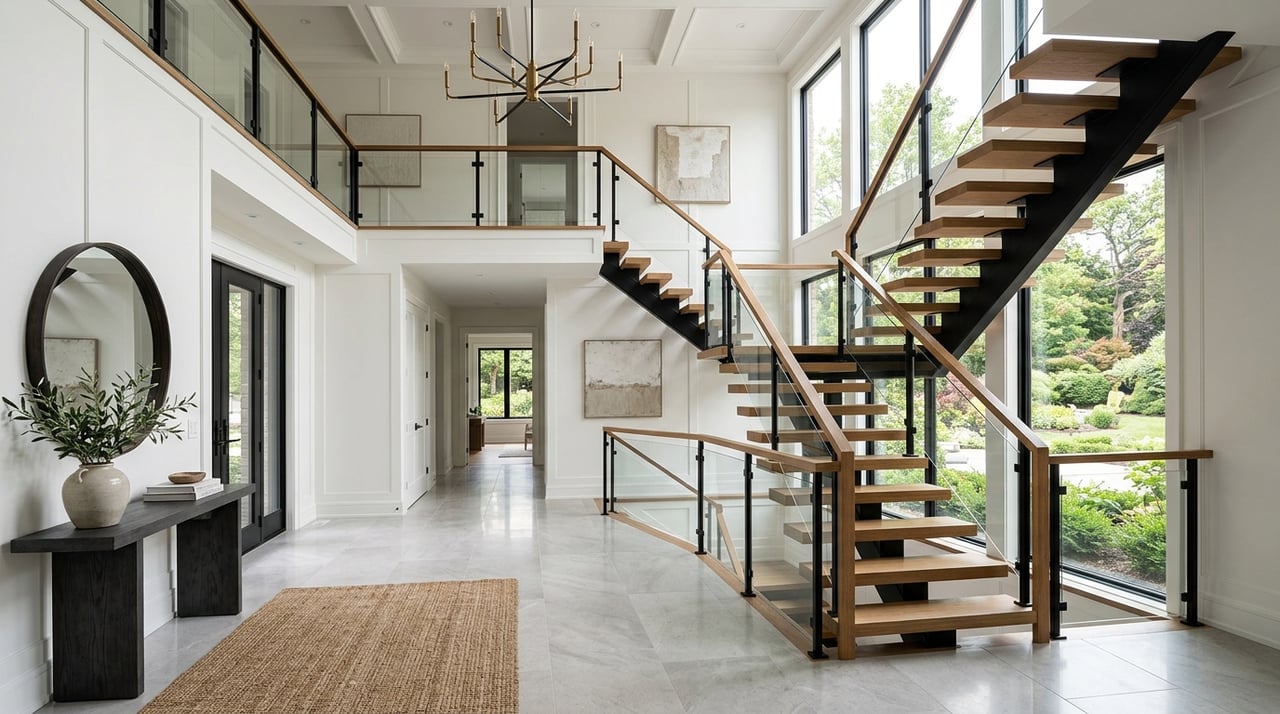
Historic designation can affect value in two ways. Many buyers prize authenticity and period details, while others view exterior change restrictions as a tradeoff. Original millwork, staircases, or leaded glass can be rare and hard to price strictly by square foot, so your CMA should call out these features clearly.
Lot size, parking, and street character
Small lots close to downtown are part of the lifestyle appeal, but usable outdoor space and off-street parking can add real value. On some streets, limited on-street parking may reduce buyer interest. Your CMA should adjust for garage space, driveway access, and the overall street setting.
Walkability and proximity to amenities
Being within a short stroll of King Street, the farmers market, restaurants, and civic events can command a measurable premium. Two blocks can make a difference. The best CMAs map this out rather than relying on simple radius searches.
Systems, permits, and maintenance
Older homes often have systems nearing the end of their life cycle. Documented upgrades to roofs, HVAC, electrical, or windows are meaningful in pricing, especially when permitted. Unpermitted work creates uncertainty for buyers and can depress value or complicate underwriting.
Commuting and regional access
Access to VA-7, US-15, park-and-ride options, and Dulles area employment centers influences demand. Your CMA should reflect how these routes intersect with your property’s location and likely buyer pool.
Unique homes and small sample sizes
In many 3 to 6 month windows, truly comparable historic homes are scarce. In those cases, experienced agents expand the timeframe and add supporting evidence, such as renovation cost context, to keep the valuation grounded.
How to prepare for a CMA
You can help your agent deliver a sharper, more confident price range by gathering a few key items.
- Recent utility and maintenance records.
- Permit history and invoices for major renovations or repairs.
- Property survey or plat, floor plans, and measurement verification.
- Photos and a list of upgrades with dates and whether permits were pulled.
- HOA documents, deed restrictions, and any historic district guidelines that affect the property.
Pricing strategy options
Your strategy should match your goals for price and timing.
- Price to capture the downtown premium: If inventory is tight and your home’s historic features and location are strong, you can list near the high end of the CMA range and allow more time to find the right buyer.
- Price to drive activity: If speed is important, pricing slightly below the median of the CMA range can draw multiple offers and stronger terms.
- Price flexibly: If you want to balance timing and net, launch near the middle of the range, then adjust quickly based on showings, feedback, and new comps.
When to add an appraisal
Consider a formal appraisal if you need lender-grade documentation, your property is highly unique and lacks comps, or a buyer’s financing requires it. Appraisers follow defined standards and offer a defensible opinion of value that complements your CMA.
Timing and updates
Markets move. Update your CMA when you set a list price, when a new comp appears, when interest rates shift, or after a period of showings without an acceptable offer. Fresh data helps you stay ahead of the market rather than chasing it.
What to ask your agent
- Which comps did you choose and why? How close are they in location and home type?
- How did you adjust for square footage, beds and baths, condition, lot, parking, and renovations?
- What days-to-sell timeline is assumed at the recommended list price?
- Which local market signals did you use, such as sale-to-list ratios or recent price changes nearby?
Get local help
A CMA is only as strong as the data and the local knowledge behind it. In Leesburg, that means understanding historic district nuances, walkability premiums, and the differences between downtown streets and nearby suburban neighborhoods. If you want a boutique, high-touch process with two senior agents on every listing, The Local Group delivers market-smart pricing and luxury-caliber marketing across Loudoun and Hunt Country. Ready to see where your home fits today’s market? Reach out to Hunt Country Sotheby’s to get your CMA and a plan tailored to your goals.
FAQs
What is a CMA for a Leesburg home?
- A Comparative Market Analysis is an agent-prepared estimate of your likely sale price using recent local sales, current competition, and market activity.
How is a CMA different from an appraisal?
- A CMA is an informal, market-based estimate; an appraisal is a formal opinion by a licensed appraiser used for mortgage underwriting.
Do tax assessments equal my market value in Loudoun?
- No. Assessments are for taxation and use mass appraisal; they do not reflect current transaction prices.
How many comps should a CMA include?
- Most CMAs rely on 3 to 6 closely matched sold comps, plus actives and pendings for context.
How often should I update my CMA before listing?
- Update when new comps hit, when rates or demand shift, or after showings without acceptable offers to keep pricing aligned with the market.